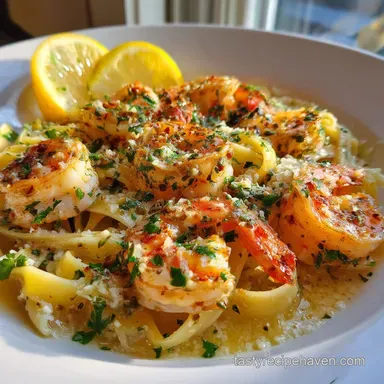
Shrimp Scampi: Silky Garlic Butter Sauce
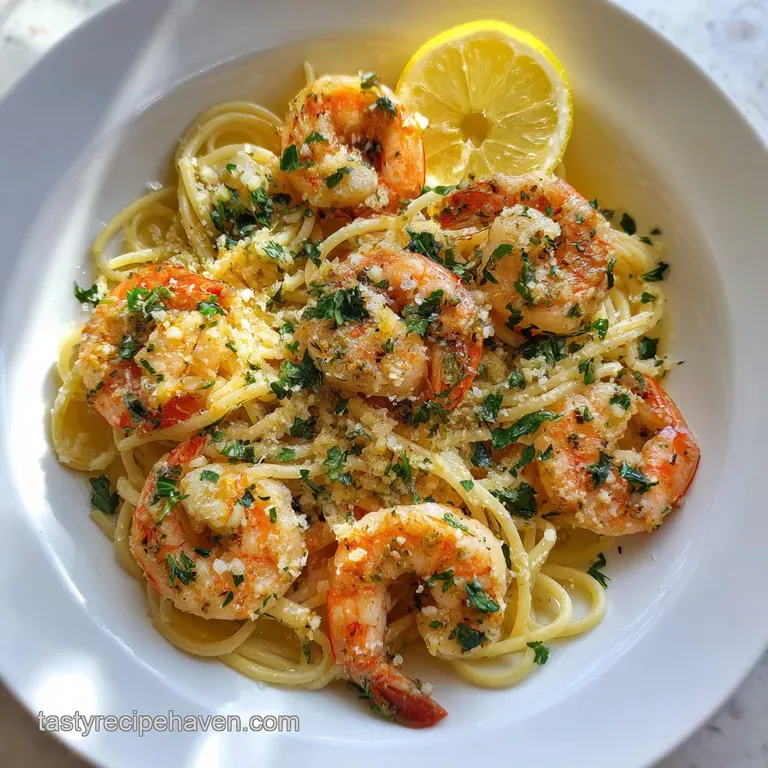
- Time: Active 10 minutes, Passive 10 minutes, Total 20 minutes
- Flavor/Texture Hook: Snappy shrimp in a velvety, garlicky lemon glaze
- Perfect for: A quick weeknight luxury or beginner friendly date night
- Mastering This Simple Classic Shrimp Scampi Recipe
- Why This Seafood Recipe Works
- Accurate Measurements and Cooking Times
- Essential Pantry and Fresh Ingredients
- Necessary Tools for Home Cooks
- Step by Step Cooking Instructions
- Avoiding Common Kitchen Disasters
- Flavor Variations and Smart Swaps
- Storage and Zero Waste Tips
- Best Sides for Seafood Pasta
- High in Sodium
- Shrimp Scampi FAQs
- 📝 Recipe Card
Mastering This Simple Classic Shrimp Scampi Recipe
The scent of garlic hitting hot olive oil is the ultimate dinner bell. It’s that sharp, fragrant sizzle that tells your brain something incredible is happening. For years, I struggled with seafood pasta, often ending up with a pool of oil at the bottom of the bowl and shrimp that felt like chewing on pencil erasers.
I realized I was rushing the sauce and overworking the protein. This version changes that, focusing on a manageable, pantry based approach that actually works every single time.
We are going for a sauce that is velvety, not greasy. You want the shrimp to have a snappy, almost "pop" when you bite into them, surrounded by a sauce that tastes like sunshine and butter.
It’s a dish that looks like you spent hours in the kitchen, but it’s really just about understanding how a few basic ingredients interact.
In this guide, I’ll show you how to avoid the common pitfalls of rubbery seafood and broken sauces. Whether you are cooking for a hungry family on a Tuesday or trying to impress a friend, this method ensures the results are consistent.
We’ll use simple tricks, like keeping your butter cold until the very last second, to ensure that glossy finish we all crave.
Why This Seafood Recipe Works
Understanding the "how" behind the pan makes you a better cook. Here is why this specific method produces such a consistent result without needing professional chef skills.
- The Cold Butter Emulsion: Adding 4 tbsp of unsalted butter while it is still cold prevents it from instantly melting into oil, helping it bond with the wine and pasta water for a thick, creamy texture.
- Starch Bonding: Utilizing 1/4 cup of reserved pasta water acts as a "glue" because the released starches bridge the gap between the watery lemon juice and the fatty butter.
- Carryover Precision: Pulling the shrimp off the heat when they are just shy of being done allows the residual heat to finish the job, preventing that dreaded rubbery texture.
Cook Method Comparison
| Method | Time | Texture | Best For |
|---|---|---|---|
| Stovetop | 10 minutes | Seared edges, silky sauce | Traditional flavor, maximum control |
| Oven Roast | 15 minutes | Uniformly tender, light sauce | Hands off cooking for large groups |
| Air Fryer | 8 minutes | Extra snappy, dry finish | Quick snacks or topping salads |
There is a distinct difference between these methods. While the oven is great for a crowd, the stovetop allows the 4 cloves of garlic to infuse the oil directly, creating a deeper flavor profile that you just can't get from roasting.
Accurate Measurements and Cooking Times
Success in the kitchen often comes down to timing and temperature. Since we are working with 1.5 lbs of large shrimp, which cook incredibly fast, having your "mise en place" (everything in its place) is vital.
Component Analysis
| Ingredient | Science Role | Pro Secret |
|---|---|---|
| White Wine | Provides acidity to cut through the fat of the butter. | Use a dry Pinot Grigio; the sugars in sweeter wines will burn. |
| Unsalted Butter | Adds richness and creates the base of the emulsion. | Keep it in the fridge until the moment you add it to the pan. |
| Garlic | Offers the primary aromatic foundation for the sauce. | Slice it thinly rather than mincing to avoid bitter, burnt bits. |
| Pasta Water | Acts as an emulsifier due to high starch content. | Salt your pasta water like the sea; it seasons the whole dish. |
When you manage your heat correctly, the 1/2 cup of dry white wine reduces just enough to concentrate its flavor without becoming harsh. If you find yourself cooking for a smaller crowd, you can easily scale this down.
For a half batch, use a smaller pan to prevent the sauce from evaporating too quickly, and use about 1/3 of the red pepper flakes so the heat doesn't overwhelm the delicate seafood.
Essential Pantry and Fresh Ingredients
You don't need a trip to a specialty market for this. Most of what makes this dish shine is probably already in your kitchen. If you're looking for other ways to use up your seafood stash, my Shrimp Wrap Recipe is another great high protein option for lunch.
- 1.5 lbs Large shrimp: Peeled and deveined, but leave the tails on for better flavor and presentation.
- 12 oz Linguine or Capellini: Linguine holds the sauce better, while Capellini cooks in a flash.
- 4 tbsp Unsalted butter: Divided and kept cold to help the emulsion.
- 2 tbsp Extra virgin olive oil: This prevents the butter from burning and adds a fruity note.
- 4 cloves Garlic: Thinly sliced is my preference for a mellow, sweet garlic hit.
- 1/2 cup Dry white wine: Pinot Grigio or Sauvignon Blanc are the gold standards here.
- 1 tbsp Fresh lemon juice: Brightens the entire pan and cuts the richness.
- 1 tsp Fresh lemon zest: Adds the essential oils from the peel for an aromatic punch.
- 1 tsp Kosher salt: Enhances all the other flavors.
- 1/2 tsp Freshly cracked black pepper: Provides a subtle, earthy heat.
- 1/2 tsp Red pepper flakes: Adjust this based on your spice tolerance.
- 1/4 cup Fresh Italian parsley: Finely chopped for a burst of color and freshness.
- 1/4 cup Reserved pasta water: Don't toss this! It is the secret to a perfect sauce.
Ingredient Substitutions
| Original Ingredient | Substitute | Why It Works |
|---|---|---|
| Dry White Wine | Low sodium Chicken Broth | Mimics the liquid volume. Note: Add a splash of vinegar for acidity. |
| Linguine | Zucchini Noodles | Low carb alternative. Note: Don't boil; just toss in the sauce at the end. |
| Fresh Garlic | Garlic Confit | Adds a deeper, roasted sweetness. Note: Use 1 tbsp of the smashed cloves. |
Necessary Tools for Home Cooks
You don't need fancy gadgets, but the right pan makes a world of difference.
- Large Skillet: A 12 inch stainless steel or cast iron skillet is best. It provides enough surface area so the shrimp sear rather than steam.
- Large Pot: For boiling the 12 oz of pasta.
- Tongs: These are essential for tossing the linguine into the sauce without breaking the noodles.
- Microplane: Perfect for getting that fine lemon zest and even for grating the garlic if you’re in a hurry.
Chef's Tip: Freeze your butter for 10 minutes before you start. Grate the cold butter directly into the pan at the very end. It melts more evenly and creates an even more velvety finish than adding whole chunks.
Step by step Cooking Instructions
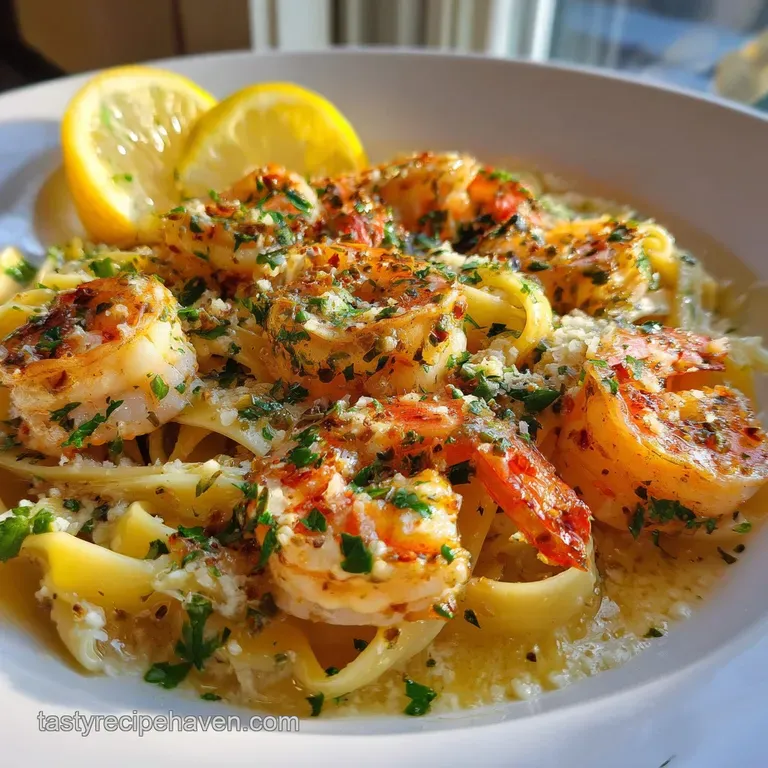
The key here is speed. Once the shrimp hit the pan, things move fast, so have your wine and lemon juice measured out and ready to go.
- Boil the pasta. Cook the linguine in salted water according to the package directions, but pull it out 1 minute early. Note: It will finish cooking in the sauce.
- Save the water. Before draining, scoop out 1/4 cup of the starchy pasta water.
- Dry the shrimp. Pat the 1.5 lbs of shrimp completely dry with paper towels. Note: Moisture is the enemy of a good sear.
- Sear the seafood. Heat the 2 tbsp olive oil and 1 tbsp of the butter in your skillet. Add shrimp in a single layer.
- Cook quickly. Sauté for 1-2 minutes per side until they just turn pink and opaque. Remove shrimp from the pan and set aside.
- Sauté aromatics. In the same pan, add the garlic and red pepper flakes. Sauté for 30 seconds until the garlic is fragrant and golden.
- Deglaze the pan. Pour in the 1/2 cup white wine. Scrape the bottom of the pan to release the flavorful brown bits.
- Reduce and emulsify. Let the wine simmer for 2 minutes, then whisk in the reserved pasta water, lemon juice, and the remaining cold butter.
- Combine everything. Return the shrimp to the pan along with the cooked pasta. Toss vigorously until the sauce coats every noodle.
- Final touches. Stir in the lemon zest, parsley, salt, and pepper. Serve immediately while the sauce is glossy.
Avoiding Common Kitchen Disasters
Even the simplest recipes can go sideways if you aren't careful. The most common issue with this dish is either a broken sauce or tough, overcooked shrimp.
Why Your Shrimp Is Tough
If your shrimp feels like rubber, it’s likely been on the heat too long. Remember, they continue to cook for a minute even after you take them out of the pan. Aim for a "C" shape; if they curl into a tight "O", they are overcooked.
Fixing a Broken Sauce
If your sauce looks oily and separated, it means the emulsion has broken. This usually happens if the heat is too high when you add the butter.
| Problem | Root Cause | Solution |
|---|---|---|
| Sauce is greasy | Butter melted too fast / no starch | Add another splash of pasta water and whisk vigorously. |
| Shrimp is mushy | Overcrowded pan | Cook shrimp in two batches to ensure a proper sear. |
| Bland flavor | Not enough acidity | Add an extra squeeze of lemon or a pinch more salt. |
Common Mistakes Checklist
- ✓ Pat shrimp bone dry before cooking to ensure they sear instead of boiling in their own juices.
- ✓ Never skip the pasta water; it is the only thing keeping your sauce from becoming a puddle of oil.
- ✓ Use "Large" or "Jumbo" shrimp; smaller ones cook too fast and get tough before the sauce is ready.
- ✓ Keep the butter in the fridge until the very last step to help the sauce thicken naturally.
- ✓ Don't use pre peeled shrimp if you can help it; shells protect the flavor during transport.
Debunking Seafood Myths
A common myth is that you must remove the tails before cooking. In reality, keeping the tails on adds depth to the sauce as the shells release flavor into the butter and wine. Another misconception is that "fresh" shrimp at the counter is better than frozen.
Most shrimp are flash frozen on the boat, so the "fresh" ones at the store are often just thawed frozen shrimp that have been sitting out longer. Buying them frozen and thawing them yourself is usually the smarter move.
Flavor Variations and Smart Swaps
This recipe is a fantastic base, but you can easily adapt it to what you have in your pantry or your dietary needs. If you’re a fan of crispy textures, you might also like this Fried Scallops recipe which uses a similar citrus heavy profile.
Adding a Spicy Kick
If you want more heat, try adding a tablespoon of Calabrian chili paste when you sauté the garlic. It adds a smoky, fermented depth that pairs beautifully with the lemon. For a budget friendly swap, you can use dry vermouth instead of white wine; it stays good on the shelf for months and provides a very similar botanical acidity.
If you want X, do Y
- If you want a crunchier topping, toast some panko breadcrumbs with lemon zest and sprinkle them over the finished pasta.
- If you want a creamier sauce, stir in 2 tablespoons of heavy cream right before adding the pasta back to the pan.
- If you want more vegetables, toss in a handful of baby spinach or frozen peas during the last 30 seconds of cooking.
Storage and Zero Waste Tips
Seafood pasta is always best eaten fresh, but if you have leftovers, they can be saved with a bit of care. Store the pasta in an airtight container in the fridge for up to 2 days. When reheating, do it gently on the stovetop with a splash of water or broth to loosen the sauce.
Avoid the microwave if possible, as it will turn the shrimp into rubber.
Zero Waste Ideas
Don't throw away those lemon halves after squeezing! Throw them into a pot of water with any leftover parsley stems to make a quick aromatic steam for your kitchen. If you bought shrimp with the shells on, you can freeze the shells in a bag.
When you have enough, boil them with some onion and celery to make a quick seafood stock for your next risotto or soup.
Best Sides for Seafood Pasta
While this is a complete meal on its own, a few simple additions can make it feel like a feast. A crisp green salad with a simple vinaigrette provides a nice textural contrast to the soft pasta and snappy shrimp.
- Garlic Bread: Essential for mopping up every last drop of that lemon butter sauce.
- Roasted Asparagus: The earthy flavor of asparagus complements the sweetness of the shrimp.
- Steamed Broccoli: A great way to add bulk and nutrition without competing with the main flavors.
This dish is all about the balance of fat, acid, and salt. Once you get the hang of the emulsion, you'll find yourself making it on those nights when you want something fancy but only have 20 minutes to spare.
It’s manageable, pantry friendly, and consistently yields results that make you feel like a pro in your own kitchen. Trust the process, keep that butter cold, and enjoy the sizzle!
High in Sodium
820 mg of sodium per serving (36% of daily value)
American Heart Association recommendation: limit sodium intake to 2,300mg per day for overall cardiovascular health.
Tips to Reduce Sodium in Your Shrimp Scampi:
-
Reduce Added Salt-25%
Reduce the amount of added kosher salt. Try using only 1/2 teaspoon, and adjust to taste after cooking. This can significantly lower the sodium content by approximately 25%.
-
Enhance Lemon Flavor-15%
Increase the amount of fresh lemon juice and zest. The acidity brightens the dish and helps to compensate for less salt. Consider doubling the lemon juice and zest.
-
Lower Sodium Wine-10%
Be mindful that wine contains sodium; use a wine with lower sodium levels. Look for a Pinot Grigio with less than 10mg of sodium per serving.
-
Control Pasta Water-5%
Be very conservative with the reserved pasta water. Pasta water has sodium and should be used sparingly. Start with only 2 tablespoons, and add more only if needed.
-
Boost with Herbs & Spices
Use a generous amount of fresh herbs and spices like black pepper, red pepper flakes, and parsley to enhance the flavor. These ingredients add flavor without adding any sodium.
Shrimp Scampi FAQs
What do you put in shrimp scampi?
Shrimp, pasta, garlic, butter, white wine, and lemon juice. These core ingredients create the classic rich, tangy, and savory flavor profile. We also use pasta water to emulsify the sauce, making it silky and coating the noodles beautifully.
What makes a scampi a scampi?
A garlic butter-wine sauce emulsified with pasta water. The term "scampi" traditionally refers to a type of langoustine, but in American cuisine, it denotes this specific preparation of seafood (most commonly shrimp) in a light, glossy sauce, often served over pasta.
What are some common mistakes to avoid when making shrimp scampi?
Overcooking the shrimp and breaking the sauce emulsion. Shrimp cook very quickly; overcooking makes them tough and rubbery. A broken sauce often results from adding butter too quickly over high heat or not using enough starchy pasta water to bind the fats and liquids.
Is shrimp scampi always over pasta?
No, but it's most common. While linguine or capellini are traditional pairings, shrimp scampi flavors are delicious served over zucchini noodles for a lighter option, or as an appetizer on crostini, similar to our Delicious New Years Eve Finger Food Idea with Garlic: Crispy.
How do I prevent my shrimp scampi sauce from being oily?
Use starchy pasta water and cold butter. Reserve about 1/4 cup of the water your pasta cooked in; its starches act as a binder. Add cold butter gradually at the end of cooking, whisking vigorously to create a stable emulsion rather than letting it melt into oil.
Can I make shrimp scampi with frozen shrimp?
Yes, definitely. Properly thawed frozen shrimp work just as well as fresh for scampi. Thaw them overnight in the refrigerator or in a colander under cold running water for a faster method, and be sure to pat them very dry before cooking.
How do I get my shrimp to sear instead of steam?
Pat the shrimp completely dry and use a hot pan. Moisture is the enemy of searing; excess water will cause the shrimp to steam rather than brown. Ensure your skillet is well heated with oil before adding the shrimp in a single layer to allow for proper caramelization.
Shrimp Scampi