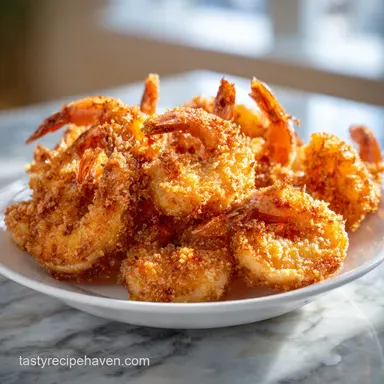
Southern Fried Shrimp: the Ultimate Crunch
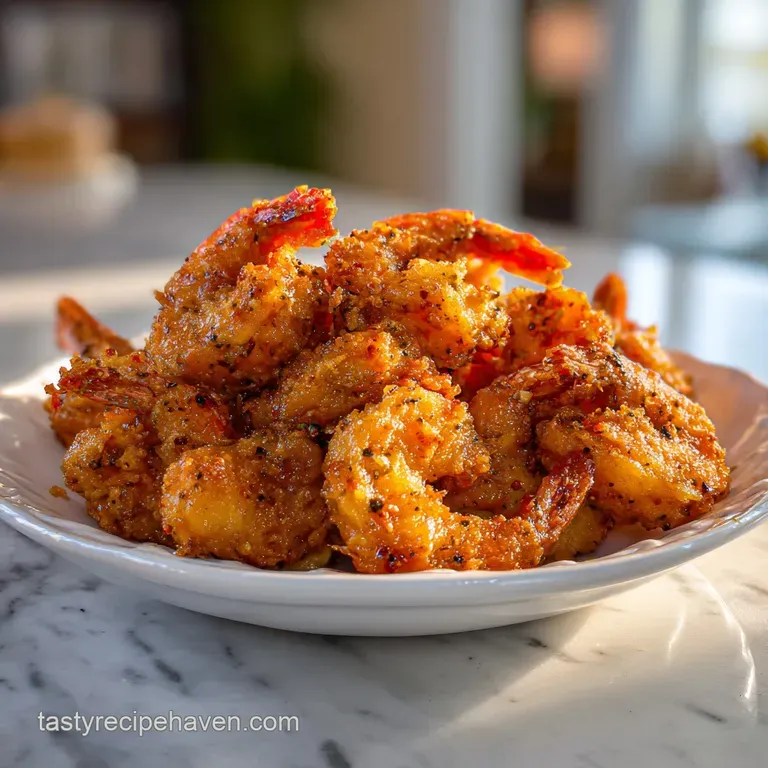
- Time: Active 20 minutes, Passive 10 minutes, Total 30 minutes
- Flavor/Texture Hook: Shatter crisp exterior with a succulent, briny center
- Perfect for: Weekend family feasts or a quick coastal inspired weeknight treat
- The Secret to Perfectly Crispy Southern Fried Shrimp
- The Physics of the Golden Crunch
- Essential Metrics for Your Fry
- Component Analysis: The Flavor Foundation
- Curating Ingredients for Coastal Flavor
- Tools for a Mess Free Fry
- Executing the Golden Frying Method
- Navigating Common Frying Pitfalls
- Creative Twists for Seafood
- Storage and Zero Waste Tips
- Plating with Authentic Lowcountry Sides
- Kitchen Truths Debunked
- Very High in Sodium
- Recipe FAQs
- 📝 Recipe Card
The Secret to Perfectly Crispy Southern Fried Shrimp
There is a specific sound that happens when you drop a cold, battered shrimp into a pot of shimmering peanut oil. It's a sudden, aggressive hiss that quickly settles into a rhythmic, bubbling song. I remember the first time I got this right.
I was standing in a cramped kitchen in Savannah, watching an old friend’s grandmother work. She didn't use a thermometer; she just flicked a tiny pinch of flour into the grease. If it danced, it was ready. When I finally bit into one, the crust didn't just crumble it shattered.
That's the experience we're chasing here. Most people settle for soggy, heavy breading that slides right off the shrimp, leaving you with a naked piece of seafood and a sad pile of crumbs on your plate. We've all been there, and frankly, it's a heartbreak.
But after years of trial and error, I found that the magic isn't in some fancy gadget. It's in the way the buttermilk grips the flour and how the cornmeal provides that structural integrity.
You're going to love how the Old Bay and cayenne play against the sweetness of the jumbo shrimp. It’s pure comfort food that feels like a splurge but actually comes together faster than you can order a pizza. Let's get into the mechanics of why this works so well, because once you understand the "why," you'll never make a bad batch again. It's similar to the flavor balance I look for when making my Shrimp Scampi in recipe, but with a much louder crunch.
The Physics of the Golden Crunch
The Acid Protein Bond: Buttermilk's lactic acid gently tenderizes the shrimp while its thickness creates a sticky "glue" for the dry dredge. This ensures the seasoning stays attached to the seafood rather than sinking to the bottom of your fryer.
Starch Dehydration: The combination of all purpose flour and fine cornmeal creates a jagged surface area that traps tiny air bubbles. When these bubbles hit hot oil, they expand and dehydrate rapidly, resulting in a glass like shatter rather than a doughy chew.
Why Soak in Buttermilk?
The buttermilk bath isn't just for flavor; it's a functional step that hydrates the surface of the shrimp. When you move the shrimp from the liquid to the dry mix, the buttermilk hydrates the flour locally, creating a thick paste that anchors the cornmeal.
Without this step, your breading would be thin, patchy, and likely to fall off the moment it hits the heat.
The Role of Cornmeal
Cornmeal is the secret to that signature Southern texture. While flour provides the coverage, cornmeal provides the grit. Because cornmeal doesn't develop gluten the same way wheat flour does, it keeps the coating light and prevents it from becoming "bread like" or gummy.
It stays crunchy even as the shrimp begins to cool.
Importance of the Rest
Many cooks rush the shrimp straight from the dredge into the oil. If you wait just five minutes, the flour has time to fully absorb the moisture from the buttermilk. This creates a cohesive "skin" that fries as one solid unit.
If you skip this, the dry flour hits the oil and disperses, leading to a messy pot and naked shrimp.
Essential Metrics for Your Fry
Before you start heating the oil, let's look at the timing and temperature requirements. Precision here is the difference between a greasy mess and a golden masterpiece.
| Shrimp Size | Oil Temperature | Fry Time (Per Side) | Visual Indicator |
|---|---|---|---|
| Jumbo (16/20) | 350°F (180°C) | 1.5 - 2 minutes | C shape and golden |
| Large (21/25) | 350°F (180°C) | 1 minute | Translucent center gone |
| Medium (31/40) | 360°F (182°C) | 45 - 60 seconds | Opaque and bright pink |
The goal for any Southern Fried Shrimp Recipe is to hit that internal temperature of 145°F without overcooking the delicate protein. If your shrimp curls into a tight "O," you've gone too far. Aim for a gentle "C" shape.
Component Analysis: The Flavor Foundation
Choosing the right ingredients is the first step toward coastal success. We aren't just looking for stuff in the pantry; we're looking for specific textures.
| Component | Science Role | Pro Secret |
|---|---|---|
| Jumbo Shrimp | Primary Protein | Keep the tails on for a "handle" and better presentation. |
| Peanut Oil | Heat Carrier | Higher smoke point than vegetable oil; adds a subtle nutty depth. |
| Fine Cornmeal | Texture Agent | Use "fine" rather than "stone ground" to avoid a sandy mouthfeel. |
| Old Bay | Flavor Catalyst | This salt and spice blend is the DNA of East Coast seafood. |
Between these star players, the cornmeal acts as the structural engineer of the dish. While flour provides a soft base, the cornmeal is what gives us that "shatter" factor we discussed earlier.
Curating Ingredients for Coastal Flavor
To make the Best Southern Fried Shrimp Batter, you need to be picky about your staples. Don't grab the low-fat buttermilk; you need the full fat version for the best adhesion.
- 1.5 lbs Jumbo Shrimp (16/20 count): Peeled and deveined, but leave those tails on. They look better and give you something to hold while dipping.
- 1 cup Full fat buttermilk: This is your primary binder.
- 1 tbsp Hot sauce (Louisiana style): Adds a vinegary kick that cuts through the richness of the fry.
- 1 cup All purpose flour: The base of your dredge.
- 1/2 cup Fine yellow cornmeal: For that essential Southern grit.
- 2 tbsp Old Bay seasoning: The primary flavor profile.
- 1 tsp Garlic powder: For an earthy, savory undertone.
- 1 tsp Kosher salt: To sharpen all the other flavors.
- 0.5 tsp Cayenne pepper: Just enough heat to tingle, not burn.
- 1 quart Peanut oil: The gold standard for frying seafood.
| Original Ingredient | Substitute | Why It Works |
|---|---|---|
| Buttermilk | Whole milk + 1 tbsp Lemon juice | Mimics the acidity and thickness. Note: Let it sit for 5 minutes before using. |
| Peanut Oil | Canola or Grapeseed Oil | Both have high smoke points. Note: Flavor is more neutral than peanut oil. |
| Old Bay | Cajun Seasoning | Similar spice profile. Note: Cajun blends are often saltier; adjust accordingly. |
If you find yourself out of shrimp but still craving that crunch, this same dredging technique works wonders for a Fried Scallops recipe. The cornmeal crust is incredibly versatile across most shellfish.
Tools for a Mess Free Fry
Frying at home shouldn't involve a week of cleaning the kitchen. Using a heavy bottomed pot like a Dutch oven (such as a Lodge) is your best bet because the high sides contain the splatters. You'll also need a wire cooling rack set over a baking sheet. Never drain fried food on paper towels!
The steam gets trapped between the shrimp and the towel, turning your beautiful crust into a soggy sponge in seconds.
A "spider" strainer or a slotted metal spoon is essential for moving the shrimp safely. Avoid plastic tools as the 350°F oil can melt them. Finally,, if you have an instant read thermometer, use it. Guessing the oil temp is how shrimp end up either burnt or oil logged.
Executing the Golden Frying Method
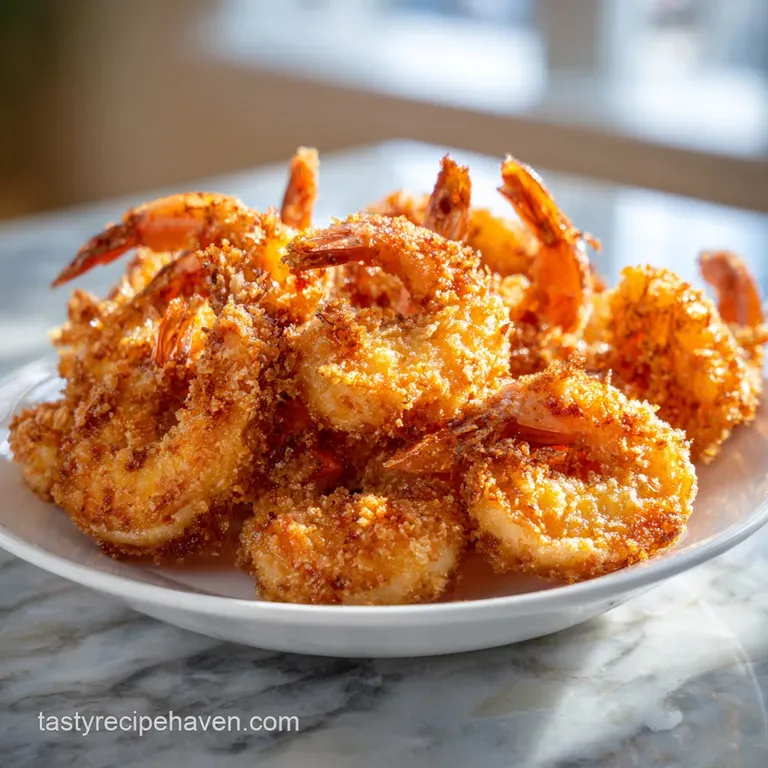
Follow these steps closely. The order of operations is what creates that bulletproof crust on your Easy Southern Fried Shrimp Recipe.
Phase 1: The Flavor Infusion
- Prep the shrimp. Rinse 1.5 lbs jumbo shrimp under cold water and pat them extremely dry with paper towels. Note: Excess water on the shrimp will dilute the buttermilk and cause the breading to slip.
- Whisk the wet mix. In a medium bowl, combine 1 cup full fat buttermilk and 1 tbsp hot sauce.
- Submerge. Add the shrimp to the buttermilk, ensuring every piece is coated. Let them soak for at least 10 minutes at room temperature.
Phase 2: The Precision Dredge
- Combine dry ingredients. In a shallow dish or a gallon sized zip top bag, whisk together 1 cup all purpose flour, 1/2 cup fine yellow cornmeal, 2 tbsp Old Bay, 1 tsp garlic powder, 1 tsp kosher salt, and 0.5 tsp cayenne pepper.
- Dredge carefully. Use your "wet hand" to pull a shrimp from the buttermilk and your "dry hand" to toss it in the flour mixture. Note: This prevents your fingers from becoming breaded clubs.
- The Rest. Place the coated shrimp on a clean plate or tray. Let them sit for 5 minutes until the flour looks slightly damp.
Phase 3: The Golden Fry
- Heat the oil. Pour 1 quart peanut oil into a heavy pot. Heat over medium high until the oil reaches 350°F (180°C).
- Fry in batches. Carefully drop 6-8 shrimp into the oil. Do not overcrowd.
- Monitor the sizzle. Fry for 1.5 to 2 minutes total, turning once. Cook until the exterior is a deep golden brown and the shrimp is opaque.
Phase 4: The Proper Drain
- Cool on the rack. Use a spider strainer to lift the shrimp out. Place them immediately on a wire rack. Note: This allows air to circulate around the entire shrimp, preserving the crunch.
Chef's Tip: If you want an even thicker crust, you can "double dip." After the first dredge, dip the shrimp back into the buttermilk quickly and then back into the flour. It's a bit heavier, but the crunch is legendary.
Navigating Common Frying Pitfalls
Even the pros have days where the batter just won't behave. Most issues with Crispy Southern Fried Shrimp stem from temperature control or moisture management.
The Breading Falls Off
This usually happens because the shrimp were too wet before the buttermilk, or the oil wasn't hot enough. If the oil is cool, it soaks into the flour rather than searing it. This turns the "glue" back into liquid, and the crust slides off like a silk robe.
Shrimp Are Rubbery
Overcooking is the culprit. Shrimp cook in the blink of an eye. The moment they form a "C" shape, they are done. If they've curled into a tight circle, they’ll have the texture of a pencil eraser. Remember that the shrimp will continue to cook for a minute after being pulled from the oil due to carryover heat.
Coating Is Too Dark
If your shrimp are dark brown but raw inside, your oil is too hot. If the oil is over 375°F, the exterior burns before the heat can penetrate the center. Use a thermometer to keep the oil steady at 350°F.
| Problem | Root Cause | Solution |
|---|---|---|
| Soggy Crust | Oil temp too low | Ensure oil returns to 350°F between batches. |
| Breading is "Floury" | Too much dry flour | Shake off excess dredge before frying. |
| Oil is foaming | Too much moisture | Pat shrimp drier before starting the process. |
Common Mistakes Checklist
- ✓ Never crowd the pan; too many shrimp will drop the oil temperature by 50 degrees instantly.
- ✓ Don't skip the 5 minute rest after dredging; this is when the "bond" happens.
- ✓ Use a wire rack instead of paper towels to prevent the "steaming" effect.
- ✓ Always check your oil temp between batches; it usually takes a minute to climb back up.
- ✓ Make sure your shrimp are fully thawed if using frozen; ice crystals cause dangerous oil splatters.
Creative Twists for Seafood
Once you've mastered the basic Southern Fried Shrimp Ingredients, you can start playing with the profile. This method is incredibly robust.
Air Fryer Adaptations
If you're looking to save on oil, you can use an air fryer. Spritz the breaded shrimp generously with oil spray. Air fry at 400°F (200°C) for 3-4 minutes per side.
The texture won't be quite as "shatter crisp" as deep frying, but it’s a solid weeknight alternative.
The Po Boy Sandwich
Turn this into a full meal by loading the fried shrimp onto a toasted French roll. Slather it with remoulade sauce, shredded lettuce, and sliced tomatoes. It's a New Orleans staple that relies entirely on the quality of your fry.
Going gluten free
You can easily swap the all purpose flour for a 1:1 gluten-free flour blend. The cornmeal is naturally gluten-free. Just ensure your hot sauce and spices don't have hidden thickeners. The result is surprisingly close to the original.
| Method | Time | Texture | Best For |
|---|---|---|---|
| Deep Fry | 2 mins | Ultimate Shatter | Traditionalists |
| Air Fry | 8 mins | Crispy but dry | Health conscious |
| Pan Fry | 4 mins | Crunchy/Soft mix | Small batches |
Storage and Zero Waste Tips
Fried shrimp are undeniably best eaten the second they come out of the oil. However, life happens. You can store leftovers in an airtight container in the fridge for up to 2 days.
Best Reheating Methods: Whatever you do, do not use the microwave. It will turn your shrimp into rubbery nuggets. Instead, use a toaster oven or air fryer at 350°F for about 3-5 minutes. This revives the oil in the crust and brings back some of that lost crunch.
Zero Waste Tip: Don't throw away those shrimp shells if you bought them whole! Toss them in a bag in the freezer. When you have a pound of them, simmer them with some celery, onion, and water to make a quick seafood stock. It's the perfect base for a Louisiana Shrimp and recipe or a future risotto.
Plating with Authentic Lowcountry Sides
To finish the plate, think about contrast. You have a salty, crunchy, warm main dish. You need something cool and acidic to balance it out. A classic creamy coleslaw is the traditional partner here. The vinegar in the slaw cuts right through the richness of the fried coating.
Classic Coastal Side Dishes
French fries or "hushpuppies" are the obvious choices, but don't overlook a simple side of buttery corn on the cob. If you want something a bit lighter, a cucumber and red onion salad provides a refreshing snap that cleanses the palate between bites of seasoned shrimp.
Lowcountry Dipping Sauces
While many people reach for cocktail sauce, I’m a firm believer in a spicy remoulade or a simple lemon garlic aioli. The creaminess of the mayo based sauces highlights the "velvety" interior of the shrimp.
If you're feeling adventurous, a honey hot sauce drizzle adds a modern "hot honey" vibe that is absolutely addictive.
If you're hosting a larger crowd, these shrimp make a fantastic appetizer alongside a Fried Gyoza Recipe for a "crunch themed" party. Just make sure you have plenty of lemon wedges on hand that fresh spritz of citrus right before eating wakes up all the spices in the breading.
Kitchen Truths Debunked
Myth: Soaking shrimp in milk for too long makes them mushy. Truth: While you don't want to soak them for 24 hours, a 30 minute soak in buttermilk actually improves the texture.
The mild acid helps the proteins retain moisture during the over high heat fry, ensuring the inside stays succulent while the outside crisps up.
Myth: You need a deep fryer to get professional results. Truth: A heavy cast iron skillet or Dutch oven is actually superior for home cooks. It holds heat better than most cheap home fryers, leading to a more consistent temperature and a better "shatter" on your Southern Fried Shrimp.
Myth: Adding more flour makes the coating crunchier. Truth: Thick flour coatings often lead to a "doughy" layer between the shrimp and the crust. The secret to crunch isn't more flour it's the ratio of cornmeal and ensuring the oil is at the correct temperature to flash fry the coating.
Very High in Sodium
2180 mg mg of sodium per serving (95% of daily value)
The American Heart Association recommends limiting sodium intake to no more than 2,300mg per day. This recipe significantly exceeds that limit.
Sodium Reduction Tips for Fried Shrimp:
-
Reduce Added Salt-25%
Eliminate the 1 tsp of Kosher salt entirely. This will significantly reduce the overall sodium content without drastically changing the flavor profile. You can always add a pinch at the table if needed.
-
Lower Old Bay-20%
Old Bay seasoning is a significant source of sodium. Reduce the amount from 2 tbsp to 1 tbsp, and consider using a homemade blend of spices to control the sodium content even further. Use paprika, celery seed, and a pinch of dried mustard.
-
DIY Hot Sauce-15%
Commercial hot sauces can be high in sodium. Consider making your own with fresh peppers, vinegar, and a touch of salt, allowing you to control the sodium content. Use a small amount of low-sodium or no-salt added hot sauce, if homemade is not an option.
-
Low-Sodium Brine-10%
While buttermilk itself doesn't contain a lot of sodium, it can be replaced with a low-sodium brine (water with lemon juice) or a homemade buttermilk alternative (milk with lemon juice/vinegar) to enhance flavor without adding sodium. This will help tenderize the shrimp.
-
Fresh Shrimp-10%
Ensure you are using fresh shrimp that has not been previously brined or treated with sodium based preservatives. Some frozen shrimp contain added sodium.
-
Spice It Up!
Enhance the flavor of the shrimp with sodium free herbs and spices such as black pepper, smoked paprika, onion powder, or dried oregano. These can add complexity and depth without increasing sodium intake.
Recipe FAQs
Is it better to fry shrimp in flour or cornmeal?
Use a combination of both. Flour provides the initial surface coverage and adhesion, but cornmeal provides the essential grit and the characteristic "shatter" texture.
Should I soak my shrimp in milk before frying?
Yes, buttermilk is highly recommended. The acid in buttermilk tenderizes the shrimp slightly while also providing a sticky base that helps the dry dredge adhere firmly during frying.
How do you get batter to stick to shrimp consistently?
Ensure shrimp are completely dry before the buttermilk soak, then let the coated shrimp rest for five minutes before frying. This resting period allows the flour to absorb surface moisture, setting the coating into a cohesive "skin."
What seasoning to use for fried shrimp?
Old Bay seasoning is the cornerstone flavor. Combine it with garlic powder, salt, and a pinch of cayenne for heat. If you enjoyed mastering the texture in this fry, see how the same flavor principles apply to the coating in our Shrimp Wrap Recipe: Chilled Crema & Seared Seafood.
How long should I fry jumbo shrimp at 350°F?
Fry for 1.5 to 2 minutes total. Cook them just until they form a gentle "C" shape and are opaque. Overcooking turns the shrimp rubbery very quickly.
Is it true that draining fried shrimp on paper towels keeps them crispier?
No, this is a common misconception. Draining on paper towels traps steam against the crust, causing sogginess. Always use a wire rack set over a baking sheet to allow air to circulate completely around the shrimp.
What oil is best for achieving the Southern shatter crust?
Peanut oil is the superior choice due to its high smoke point. This high heat tolerance allows the crust to sear rapidly without burning, which is crucial for that signature light, shattering texture.
Southern Fried Shrimp Recipe