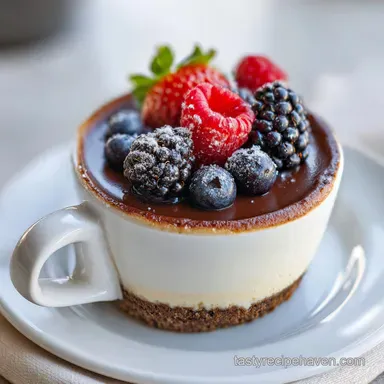
Velvet Espresso Cheesecake: Dense and Creamy
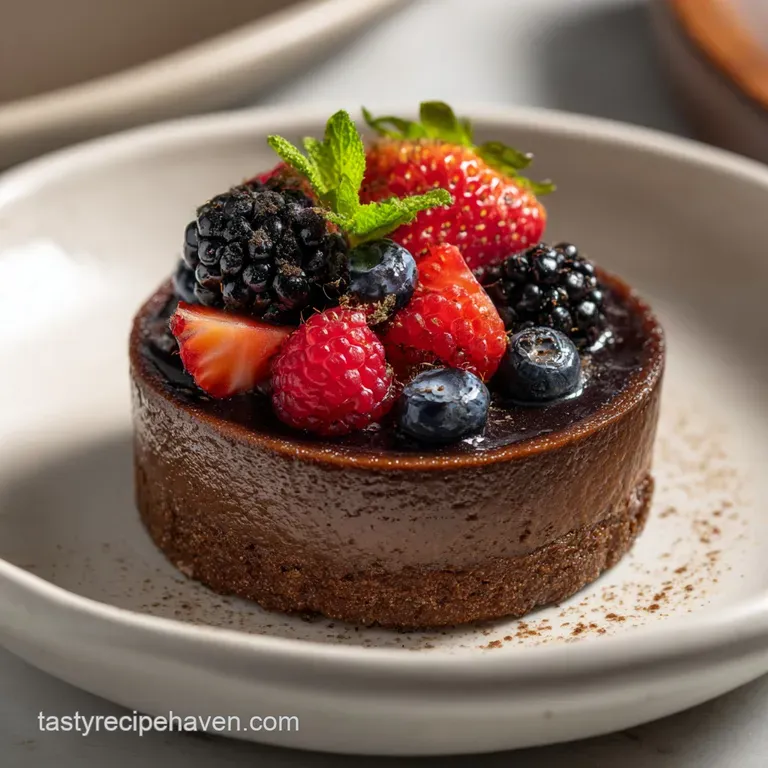
- Time: Active 25 minutes, Passive 8 hours 10 mins, Total 8 hours 35 mins
- Flavor/Texture Hook: Intense espresso infused custard with a bittersweet chocolate drizzle and a dark cocoa cinnamon shatter crust.
- Perfect for: Milestone celebrations or high end dinner parties where a sophisticated, cafe style dessert is required.
- How This Delicious Coffee Cheesecake Recipe You ll Works
- Key Metrics for a Perfect Bake
- Selecting High Quality Recipe Ingredients
- The Baker's Essential Tool Kit
- A Step-by-Step Production Guide
- Troubleshooting Your Cheesecake Issues
- Flexible Flavor and Dietary Swaps
- Preserving Freshness and Quality
- Elevating the Final Presentation
- Recipe FAQs
- 📝 Recipe Card
How This Delicious Coffee Cheesecake Recipe You ll Works
The aroma of dark roasted beans hitting hot water is the first sign that something special is happening in your kitchen. Nothing beats that initial sizzle of melted butter meeting crisp chocolate wafer crumbs, a scent that promises a base capable of supporting a rich, coffee laden custard.
Discover our featured, delicious coffee cheesecake recipe, perfectly complemented by a rich chocolate drizzle. If you have ever pulled a cheesecake out of the oven only to find it looks like a parched desert landscape with deep cracks, or worse, has the rubbery texture of a pencil eraser, you know the frustration of imprecise baking.
We have all been there, hovering over a springform pan, wondering why the center looks like liquid soup while the edges are already browning. The secret isn't a better oven; it is understanding how to manage heat and moisture.
This recipe solves the "rubbery" problem by ditching over high heat blasts for a gentle, humid environment that allows the proteins in the cream cheese to set without tightening up into a tough, bouncy mess.
You will find that the addition of a small amount of flour acts as a structural insurance policy, while the heavy cream provides the fat necessary for that signature "melt on-the tongue" feeling.
It is a precise dance of temperature and timing, but once you master it, you will never go back to those dry, store-bought blocks. This is about creating a dessert that feels professional but tastes like home.
The Thermal Buffer System
Evaporative Cooling: The water bath creates a humid environment that prevents the surface of the cheesecake from drying out and cracking before the center reaches its target temperature.
Protein Stabilization: Small amounts of all purpose flour interact with the moisture in the eggs and cream cheese to create a delicate starch network that prevents the proteins from over coagulating and becoming rubbery.
Solubility Optimization: Dissolving the espresso powder in hot water (blooming) releases the aromatic oils and ensures the flavor is distributed evenly through the fat heavy batter without leaving bitter, grainy spots.
| Baking Method | Internal Temp | Texture Outcome | Visual Cue |
|---|---|---|---|
| Water Bath (Bain Marie) | 150°F | Silky, dense, velvety | Slight jiggle in the center 2 inches |
| Dry Oven Heat | 165°F+ | Spongy, airy, dry | Edges puff and pull away significantly |
| Cold Set (No Bake) | N/A | Mousse like, soft | Firm but collapses at room temperature |
While the water bath might seem like an extra step, the physical difference in the final product is undeniable. The steam acts as a thermal jacket, keeping the edges of the pan at exactly 212°F regardless of the oven temperature, which ensures the entire cake cooks at a uniform rate.
Key Metrics for a Perfect Bake
When we talk about precision in the kitchen, we are looking for specific checkpoints that guarantee a consistent result every single time. For this Delicious Coffee Cheesecake Recipe You ll, we focus on the interaction between fat and air.
Over beating at high speeds is the enemy of a smooth cheesecake because it introduces air bubbles that expand in the oven and then collapse, leading to those dreaded cracks.
Component Analysis
| Ingredient | Science Role | Pro Secret |
|---|---|---|
| Full fat Cream Cheese | Structural base | Ensure it is exactly 68°F for a lump free emulsion |
| Espresso Powder | Flavor profile | Use "Medaglia d'Oro" or similar fine powder for instant solubility |
| Large Eggs | Binding agent | Add them last on the lowest speed to prevent aeration |
The choice of chocolate wafer crumbs over standard graham crackers is a deliberate flavor strategy. The bitterness of the cocoa in the wafers balances the intense sugar content of the filling, creating a more sophisticated palate.
When you press that crust into the pan, make sure you use the bottom of a flat measuring cup to get a uniform thickness; an uneven crust leads to hot spots.
Selecting high quality Recipe Ingredients
Choosing the right components is half the battle won. For this Delicious Coffee Cheesecake Recipe You ll, we aren't just looking for "cream cheese"; we are looking for the brick style, full fat version.
Low-fat or "spreadable" versions from a tub contain higher water content and stabilizers that will completely ruin the structural integrity of your bake.
- 1.5 cups (150g) chocolate wafer crumbs: Use dark cocoa wafers for a deep, earthy base. Why this? Provides a crisp, bitter contrast to the sweet espresso filling.
- 32 oz (900g) full fat cream cheese: Must be at room temperature. Why this? Essential for achieving a smooth, velvety emulsion without over mixing.
- 2 tbsp (10g) instant espresso powder: Look for a high-quality freeze dried version. Why this? Concentrates coffee flavor without adding excess liquid that thins the batter.
- 1 tbsp vanilla bean paste: Contains the seeds for visual flair and intense aroma. Why this? Offers a more complex, floral depth than standard liquid extract.
- 4 large eggs: Preferably pasture raised for a richer yolk color. Why this? Provides the lecithin needed to emulsify the fat and water phases.
For the chocolate drizzle, I highly recommend using a bittersweet chocolate with at least 60% cacao. This prevents the topping from becoming cloying and adds a glossy, professional finish.
If you can't find chocolate wafers, you can substitute Oreo cookies with the cream removed, though the wafers are generally less sweet and much easier to work with.
The Baker's Essential Tool Kit
You don't need a lab full of gadgets, but a few specific items make this Delicious Coffee Cheesecake Recipe You ll much easier to manage. The most important is a 9 inch springform pan with a tight seal. Even with the best pan, we still use heavy duty aluminum foil to wrap the outside because water is incredibly sneaky.
Chef's Tip: Use the extra wide heavy duty foil. One single sheet is better than two overlapping sheets because it eliminates the seam where water usually leaks through.
A stand mixer or a reliable hand mixer is necessary for the cream cheese phase. We want to whip the cheese and sugar until it is completely smooth, but once the eggs go in, we switch to the lowest possible setting.
Also, ensure you have a roasting pan large enough to hold the springform pan with at least an inch of space all around it for the water to circulate.
A step-by-step Production Guide
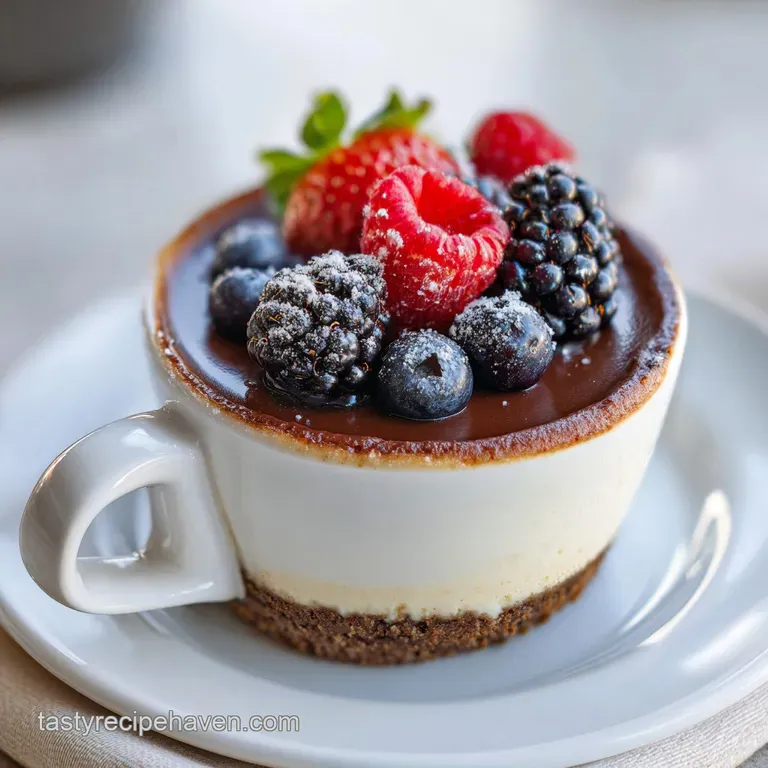
- Prep the environment. Preheat oven to 325°F (160°C). Wrap the exterior of a 9 inch springform pan with three layers of heavy duty aluminum foil to waterproof it. Note: This creates a physical barrier against the water bath.
- Construct the base. Mix chocolate crumbs, melted butter, and cinnamon in a bowl until it resembles wet sand. Press firmly into the bottom of the springform pan.
- Blind bake. Bake the crust for 10 minutes until set and fragrant, then remove and allow to cool completely on a wire rack.
- Dissolve the coffee. Dissolve 2 tbsp espresso powder in 1 tbsp hot water. In a large bowl, beat room temperature cream cheese and sugar until smooth and creamy.
- Build the emulsion. Whisk in the flour, heavy cream, espresso mixture, and vanilla. Add eggs one at a time, mixing on low speed just until the yellow streaks disappear to avoid incorporating too much air.
- Set the bath. Pour the batter over the cooled crust. Place the springform pan into a large roasting pan and fill the roasting pan with hot water halfway up the sides of the cheesecake pan.
- Monitor the bake. Bake for 1 hour 10 minutes until the edges are set but the center still has a slight jiggle like Jell O.
- The gentle cool. Turn off the oven and crack the door slightly, allowing the cheesecake to cool in the oven for 1 hour. Refrigerate for at least 6 hours or overnight until completely cold and firm.
- Finish with ganache. Heat 0.5 cup heavy cream until simmering, pour over chopped chocolate and espresso powder. Let sit for 5 minutes, then stir until glossy and smooth and drizzle over the chilled cake.
The "slight jiggle" is the most critical cue. If you bake it until it is solid all the way across, it will be overcooked and dry by the time it cools. Carryover heat continues to set the proteins for about 20 minutes after it leaves the oven.
Troubleshooting Your Cheesecake Issues
Even with precision, things happen. Maybe your oven runs hot, or your cream cheese was still a bit chilly. If you see a crack forming during the bake, don't panic. Usually, it means the oven temperature spiked or you over beat the eggs.
You can often "heal" small cracks by gently pressing the warm cake together once it starts to cool, but the chocolate drizzle in this Recipe You ll is also a fantastic way to hide any cosmetic flaws.
Why Your Cheesecake Surface Cracked
Cracks are almost always a result of tension. As the cheesecake cools, it shrinks. If the sides are stuck to the pan, the center pulls away and snaps. That is why we use a springform pan and sometimes run a thin knife around the edge after the oven cooling phase.
| Problem | Root Cause | Solution |
|---|---|---|
| Deep Surface Cracks | Oven too hot or over mixing | Use a water bath and mix eggs on low speed only |
| Grainy Texture | Sugar didn't dissolve or cold cheese | Ensure all ingredients are room temp; beat cheese longer before adding liquid |
| Soggy Crust | Leak in the foil wrapping | Use extra wide foil and ensure no seams are below the water line |
Understanding the "why" helps you prevent these issues before they start. For example, if you notice your Velvety Chocolate Cream Pie also has texture issues, it might be your whisking technique. Over aeration is a common theme in baking failures.
Common Mistakes Checklist
- ✓ Never skip the "room temperature" rule for cream cheese (prevents lumps).
- ✓ Do not open the oven door during the first 60 minutes (prevents temperature shocks).
- ✓ Ensure the water for the bath is hot, not cold, when it goes into the oven.
- ✓ Tap the filled pan on the counter several times before baking to release air bubbles.
- ✓ Let the cake cool in the oven with the door cracked to prevent rapid contraction.
Flexible Flavor and Dietary Swaps
While this Recipe You ll is designed for a classic coffee profile, you can certainly pivot based on what you have in the pantry. If you don't have espresso powder, you can use very finely ground coffee, though the texture might be slightly more rustic.
| Original Ingredient | Substitute | Why It Works |
|---|---|---|
| Chocolate Wafers | Graham Crackers | Provides a milder, honey sweet base. Note: Lacks the cocoa punch |
| Heavy Cream | Full fat Sour Cream | Adds a pleasant tang and similar fat content for structure |
| Instant Espresso | Strong Brewed Coffee | Use 2 tbsp of a triple strength reduction; watch the liquid balance |
If you are looking for a fruitier twist, you might consider how the techniques here apply to something like Cheesecake Stuffed Baked Apples. The principle of gentle heat remains the same regardless of the vessel. For a "Mocha ccino" version, increase the chocolate in the drizzle and add a dusting of cocoa powder on top of the finished cake.
Preserving Freshness and Quality
Cheesecake is one of those rare desserts that actually tastes better on day two. The flavors have time to meld, and the espresso settles into the creaminess of the cheese. However, dairy is sensitive to odors in the fridge, so proper storage is paramount for this Delicious Coffee Cheesecake Recipe You ll.
Storage: Keep the cheesecake in the fridge, ideally still in its springform ring if you haven't served it all, covered tightly with plastic wrap or in an airtight container. It will stay fresh and velvety for up to 5 days.
Freezing: You can freeze the entire cake or individual slices. Wrap them first in plastic wrap, then in a layer of heavy duty foil. It will hold its quality for up to 2 months.
Thaw in the refrigerator overnight before serving to maintain the texture; never thaw at room temperature as it can cause the emulsion to break and become "weepy."
Zero Waste: If you have leftover crust crumbs, save them in a jar! They make an incredible topping for vanilla ice cream or can be folded into pancake batter for a "cookies and cream" breakfast. Leftover chocolate drizzle can be reheated gently and poured over berries.
Elevating the Final Presentation
Once your Delicious Coffee Cheesecake Recipe You ll is chilled and set, the final presentation is what takes it from a "home bake" to a "showstopper." The drizzle should be applied while it is slightly warm but not hot, allowing it to flow naturally over the edges of the cold cake.
The "Bloom" Technique for Bold Flavor
By heating the cream for the ganache and pouring it over the espresso chocolate mixture, you are essentially "blooming" the coffee a second time. This ensures that every bite of the topping has a caffeine kick that mirrors the filling.
For a clean cut, use a long, thin knife dipped in hot water and wiped dry between every single slice. This prevents the filling from dragging and keeps the layers distinct.
Serving Ratios and Planning
| Servings | Ingredient Adjustments | Pan Size | Cook Time |
|---|---|---|---|
| 6 People | Half all ingredients (use 2 eggs) | 6 inch pan | 55 minutes |
| 12 People | Standard recipe as written | 9 inch pan | 1 hour 10 mins |
| 24 People | Double all ingredients | Two 9 inch pans | 1 hour 15 mins (staggered) |
If you want a truly decadent experience, serve each slice with a small dollop of unsweetened whipped cream. The lack of sugar in the cream will highlight the complex notes of the vanilla bean paste and the espresso.
Debunking Baking Misconceptions
One common myth is that you need to beat the batter until it is "fluffy." In the world of cheesecake, fluffiness is actually a flaw. Incorporating too much air causes the cake to rise like a soufflé and then collapse, which creates a cratered top.
We want a dense, NY style consistency, which is achieved by keeping the mixer speed low.
Another misconception is that the water bath is optional. While you can bake a cheesecake without one, you will almost certainly end up with browned, overcooked edges and a cracked top.
The water bath is a scientific necessity for achieving that uniform, pale, and creamy texture from the center all the way to the crust.
Finally, don't worry about the "jiggle." Many beginners think a jiggling center means the cake is raw. In reality, the residual heat will finish the job. If the center is firm when it comes out of the oven, it is already overdone. Trust the timer and the visual cues!
This Delicious Coffee Cheesecake Recipe You ll is foolproof if you respect the cooling process. Let it rest, let it chill, and the rewards will be perfectly evident in that first, silky bite.
Recipe FAQs
How to prevent the cheesecake from cracking?
Beat the eggs on low speed just until combined. Incorporating too much air leads to cracks, and you should always ensure your cream cheese is at room temperature to keep the batter smooth.
Is it true I must leave the cheesecake in the oven after the timer goes off?
Yes, this is essential for structural integrity. Turning off the oven and cracking the door for one hour allows the center to finish setting gradually, preventing a sudden temperature shock that causes splitting.
How to properly wrap the springform pan for the water bath?
Use heavy duty aluminum foil to create a waterproof seal. Carefully wrap the exterior of your 9 inch springform pan to ensure no hot water seeps into the crust while the cake bakes at 325°F.
How to tell when the cheesecake is finished baking?
Look for set edges and a slight jiggle in the center. After baking for 1 hour and 10 minutes, the center should still move slightly; it will firm up significantly during the long cooling process.
Can I use a different type of crust for this recipe?
Stick to the chocolate wafer crust for the best flavor balance. The combination of chocolate crumbs, butter, and cinnamon creates a sturdy base that complements the espresso filling, similar to how we utilize a rich cake foundation to build complex textures.
Why is it necessary to refrigerate for six hours or overnight?
Chilling completes the setting process for the dairy and eggs. Serving it before this rest period results in a loose texture rather than the dense, creamy mouthfeel this cheesecake is designed to have.
How to fix cosmetic cracks if they appear?
Use the espresso chocolate drizzle to mask the surface. If a crack forms, you can gently press the edges together while the cake is still warm, then hide any remaining imperfections under the smooth chocolate topping once chilled.
Velvet Coffee Cheesecake