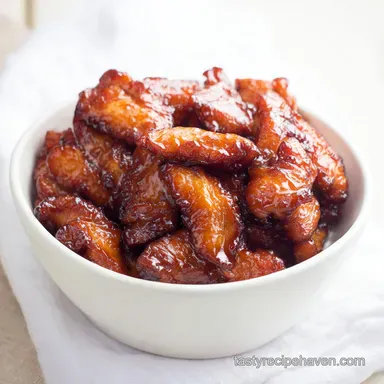
Best Teriyaki Chicken Recipe: Glossy and Sticky
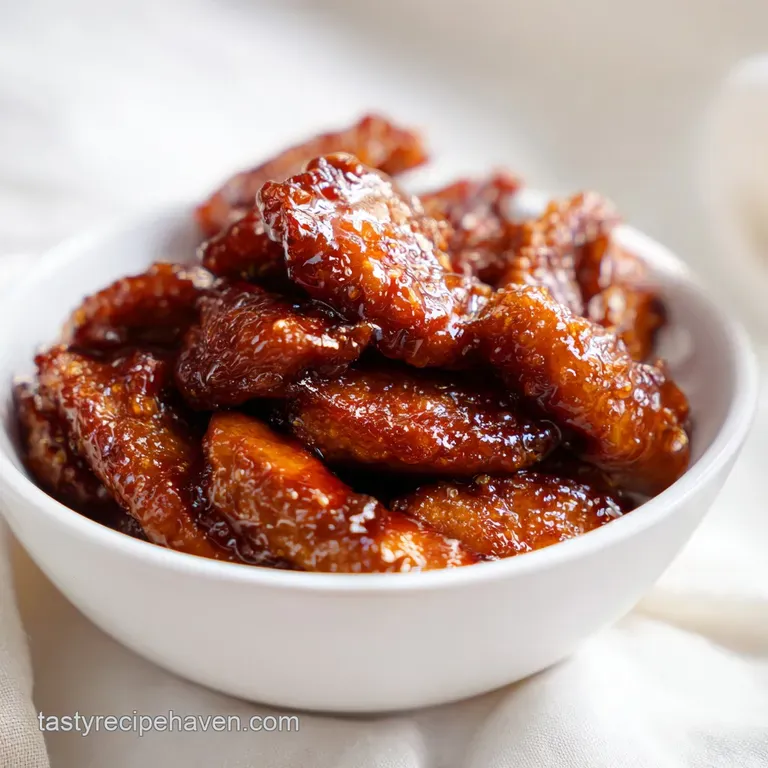
- Time: 10 min prep + 15 min cook = Total 25 mins
- Flavor/Texture Hook: Velvety, glossy sauce with a charred, savory crust
- Perfect for: Busy weeknight dinners or easy meal prep
- The Best Teriyaki Chicken Recipe Ever
- Why This Recipe Works
- Quick Recipe Specs
- Essential Ingredient Guide
- Required Kitchen Gear
- Step-by-Step Cooking Guide
- Fixing Common Problems
- Troubleshooting Common Issues
- Customizing Your Flavors
- Scaling Your Portions
- Misconceptions About Teriyaki
- Storage and Zero Waste
- Perfect Side Dish Pairings
- Critical Sodium Level
- Recipe FAQs
- 📝 Recipe Card
The Best Teriyaki Chicken Recipe Ever
That first loud sizzle when the chicken hits the hot oil is the sound of victory. I remember the first time I tried to make this at home, I used chicken breasts and a bottled sauce that tasted like corn syrup and salt. The meat was dry, and the sauce just slid right off the chicken like water on a raincoat.
It was a total letdown, and I almost gave up on making it myself.
Then I discovered the magic of chicken thighs and a proper cornstarch slurry. Once I stopped fighting the ingredients and started working with how the sugars actually react to heat, everything changed. Now, this is my go to for when I want something that feels like a treat but doesn't take over my entire evening.
You can expect a dish that hits all the right notes: salty, sweet, and a bit of a zing from the ginger. This best teriyaki chicken recipe focuses on layering those flavors so you get a deep, caramelized exterior and meat that stays juicy.
It's a quick win that makes your kitchen smell like a professional bistro in under half an hour.
Why This Recipe Works
I've spent a lot of time messing around with the ratios here, and there are a few reasons why this specific approach beats the others.
- Sugar Caramelization: The mix of honey and brown sugar doesn't just add sweetness, it creates that sticky, charred crust when it hits the pan.
- Thigh Texture: Dark meat has more fat, which means it can handle the high heat of a sear without turning into rubber.
- The Slurry Effect: Mixing cornstarch with cold water first prevents lumps and turns a thin liquid into a velvety glaze instantly.
- Deglazing: Pouring the sauce into the searing pan lifts all those browned bits (the fond) off the bottom, folding that deep flavor back into the glaze.
- Acid Balance: Mirin provides a subtle sweetness and acidity that cuts through the salt of the soy sauce.
Fresh vs Shortcut
| Component | Fresh Approach | Shortcut Approach | Impact |
|---|---|---|---|
| Ginger/Garlic | Minced Fresh | Powdered | Fresh adds a bright, zingy punch; powder is dull |
| Sweetener | Honey + Brown Sugar | White Sugar | Honey adds a floral depth and better stickiness |
| Chicken | Thighs | Breasts | Thighs stay juicy; breasts often dry out |
Quick Recipe Specs
Before we jump in, let's look at the basic layout. This is designed for maximum flavor with minimum cleanup, which is exactly how I like my comfort food.
Precision Checkpoints
- 1. Oil Temp
- The oil should be shimmering, not smoking, before the chicken goes in.
- 2. Sear Time
- 3-4 minutes of undisturbed cooking for that golden crust.
- 3. Slurry Time
- 1-2 minutes of constant stirring once the cornstarch hits the pan.
Decision Shortcut
- If you want a thicker glaze, add an extra teaspoon of cornstarch to the slurry.
- If you prefer a tangier taste, add a squeeze of fresh lime juice at the very end.
- If you're short on time, skip the marinade and go straight to the sear.
Essential Ingredient Guide
I'm pretty picky about the ingredients here. Using the right stuff makes the difference between a bland dinner and the best teriyaki chicken recipe you've ever had.
Component Analysis
| Ingredient | Science Role | Pro Secret |
|---|---|---|
| Soy Sauce | Salt & Umami | Use low sodium if you're sensitive to salt |
| Mirin | Glaze & Shine | Adds a professional "lacquered" look to the meat |
| Honey | Viscosity | Creates a thicker, more clinging sauce than sugar alone |
| Cornstarch | Thickener | Always mix with cold water to avoid "clumps of glue" |
The Shopping List
- 1.5 lbs boneless skinless chicken thighs, cut into bite sized pieces Why this? More fat means more flavor and no dryness
- 1 tbsp vegetable oil Why this? High smoke point for a better sear
- 1/2 tsp salt Why this? Basic seasoning for the meat
- 1/4 tsp black pepper Why this? Adds a subtle heat
- 1/2 cup soy sauce Why this? The primary salt and color source
- 1/4 cup brown sugar Why this? Molasses notes for depth
- 1/4 cup mirin Why this? Traditional Japanese sweetness
- 1 tbsp honey Why this? Extra stickiness and shine
- 1 tbsp fresh ginger, minced Why this? Freshness that powder can't match
- 3 cloves garlic, minced Why this? Aromatic base
- 1 tbsp cornstarch Why this? Essential for the thick glaze
- 1 tbsp cold water Why this? Dissolves starch evenly
- 2 tbsp toasted sesame seeds Why this? Nutty crunch
- 2 stalks green onions, thinly sliced Why this? Fresh, sharp contrast to the sweet sauce
Substitution Options
| Original Ingredient | Substitute | Why It Works |
|---|---|---|
| Brown Sugar | Maple Syrup | Similar sugar content. Note: Adds a distinct woody sweetness |
| Mirin | Rice Vinegar + Sugar | Mimics the acidity. Note: Lacks the fermented depth of mirin |
| Chicken Thighs | Chicken Breast | Leaner protein. Note: Cook for 1-2 mins less to avoid toughness |
| Soy Sauce | Tamari | gluten-free option. Note: Slightly richer, saltier profile |
Required Kitchen Gear
You don't need a fancy setup for this. I keep it simple to save on the dishes.
- A large non stick or cast iron skillet (Cast iron is great for that heavy sear).
- A medium mixing bowl for the sauce.
- A whisk or a fork.
- A spatula for flipping the chicken.
- Paper towels (crucial for drying the meat).
Chef's Note: If you have a meat thermometer, use it. Chicken thighs are best when they hit 175°F internally, which allows the connective tissue to break down, making them velvety.
Step-by-step Cooking Guide
Let's get into it. Follow these steps and you'll have the best teriyaki chicken recipe on your table in no time.
Phase 1: Searing for Maximum Flavor
- Pat the chicken thighs dry with paper towels. Note: Wet chicken steams instead of searing, which ruins the crust.
- Season the meat with 1/2 tsp salt and 1/4 tsp black pepper.
- Heat 1 tbsp vegetable oil in the skillet over medium high heat until shimmering.
- Add chicken in a single layer. Cook without stirring for 3-4 minutes until a golden brown crust forms.
- Flip the pieces and cook for another 3 minutes. Note: Don't overcrowd the pan or the temperature will drop.
According to Serious Eats, getting a hard sear on the exterior of the meat creates a deeper flavor profile through the browning of proteins. This is the secret to making this the best teriyaki chicken recipe.
Phase 2: Developing the Glaze
- While the chicken is searing, whisk together the soy sauce, brown sugar, mirin, honey, ginger, and garlic in a bowl.
- Pour the sauce mixture over the browned chicken and bring to a bubble until the pan deglazes.
- Reduce heat to medium and simmer for 5 minutes. Note: This lets the flavors penetrate the meat.
Phase 3: The Final Reduction
- Stir in the cornstarch slurry (the cornstarch mixed with 1 tbsp cold water).
- Stir constantly for 1-2 minutes until the sauce transforms into a thick, glossy glaze that coats the chicken.
- Remove from heat immediately and garnish with toasted sesame seeds and sliced green onions.
Fixing Common Problems
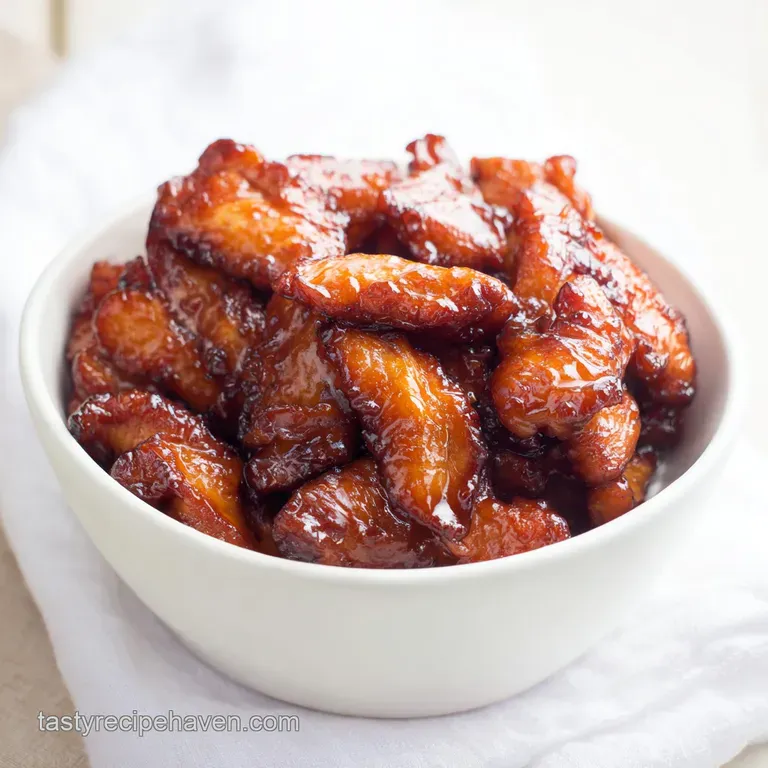
Even with the best teriyaki chicken recipe, things can go sideways if you aren't paying attention. Here is how to handle the hiccups.
Troubleshooting Common Issues
| Issue | Solution |
|---|---|
| Why Your Sauce Is Too Thin | If your sauce is still watery after a few minutes, you probably didn't let the cornstarch activate. Cornstarch needs to reach a certain temperature to thicken. Give it another minute of simmering, or |
| Why Your Chicken Is Rubbery | This usually happens with breast meat or by overcooking the thighs. If you're using breasts, pull them off the heat the second they are opaque. For thighs, they are more forgiving, but don't let them |
| Why Your Sauce Burned | High sugar content means the sauce can go from "glossy" to "burnt" very quickly. If you see the sauce turning a very dark, almost black color and smelling acrid, pull it off the heat immediately. |
Common Mistakes Checklist
- ✓ Did you pat the chicken completely dry?
- ✓ Did you wait for the oil to shimmer before adding meat?
- ✓ Did you avoid stirring the chicken too early in the sear?
- ✓ Did you mix the cornstarch with cold water?
- ✓ Did you remove the pan from the heat as soon as the glaze thickened?
Customizing Your Flavors
One of the best things about this best teriyaki chicken recipe is how easy it is to tweak. Once you have the base down, you can play around with it.
For a Spicy Kick
If you like heat, stir in a tablespoon of Sriracha or some red pepper flakes during the simmering phase. The sweetness of the honey balances the spice perfectly.
For a Honey Garlic Twist
Double the garlic and add an extra tablespoon of honey. If you love this vibe, you might also enjoy my 3 ingredient stir fry sauce for your next veggie dish.
For a Low Carb Option
Swap the brown sugar and honey for a monk fruit sweetener or a sugar-free maple syrup. Keep in mind that the glaze won't be as "sticky" because the chemistry of real sugar is what creates that lacquer.
If you're feeling adventurous and want to make a bigger batch of the glaze to keep in the fridge, check out this homemade teriyaki sauce guide. It's a great way to have a quick marinade ready for other proteins.
Scaling Your Portions
Changing the size of the meal is simple, but you can't always just double everything.
Scaling Down (1/2 batch)
If you're just cooking for two, use 0.75 lbs of chicken. Use a smaller skillet so the sauce doesn't evaporate too quickly. Reduce the simmering time by about 20% because there's less mass in the pan.
Scaling Up (2x-4x batch)
When doubling or tripling this best teriyaki chicken recipe, do not double the salt or soy sauce exactly start with 1.5x and taste it. Liquids reduce differently in larger pots. Most importantly, work in batches for the searing.
If you crowd the pan with 3 lbs of chicken, it will release water and steam, and you'll lose that golden crust.
Baking Version
If you'd rather use an oven, toss the seasoned chicken in the sauce and bake at 400°F (200°C) for 15-20 minutes. However, you'll miss the pan sear flavor, so I recommend broiling it for the last 2 minutes to get some char.
Misconceptions About Teriyaki
There are a few things people get wrong about this style of cooking. Let's clear them up.
The "Sealing" Myth: Many people think searing meat "seals in the juices." It doesn't. The juices move regardless. The sear is actually about flavor it creates a crust that adds a savory depth that you can't get from boiling or steaming.
The Bottled Sauce Myth: Some believe that bottled teriyaki is "authentic." In reality, most bottled versions are just salt and corn syrup. A real teriyaki (which means "glaze broiled") relies on the reduction of soy, mirin, and sugar to create a natural syrup.
The Breast vs Thigh Debate: People often use breast meat because it's "leaner." While that's true, according to the USDA, the fat content in thighs is what carries the flavor of the ginger and garlic. For the best teriyaki chicken recipe, thighs are the only way to go.
Storage and Zero Waste
Don't let any part of this meal go to waste. This best teriyaki chicken recipe holds up surprisingly well.
Storage Guidelines
Keep your leftovers in an airtight container in the fridge for up to 4 days. The sauce may thicken even more as it cools, which is normal.
Reheating Tips
The best way to reheat is in a skillet over medium heat with a splash of water. This loosens the glaze and prevents the chicken from drying out. Avoid the microwave if you can, as it can make the chicken rubbery.
Freezer Instructions
You can freeze the cooked chicken in the sauce for up to 3 months. Thaw it in the fridge overnight before reheating.
Zero Waste Ideas
- Chicken Scraps: If you trimmed any fat or cartilage from the thighs, toss them into a freezer bag for making homemade chicken stock later.
- Green Onion Ends: Don't throw away the white parts of the green onions. Chop them up and use them as the aromatic base for your next soup or stir fry.
- Leftover Sauce: If you have extra glaze in the pan, toss it with some steamed broccoli or cauliflower for an instant side dish.
Perfect Side Dish Pairings
To round out this best teriyaki chicken recipe, you need sides that can soak up that extra glaze.
The Classics
Steamed jasmine rice is the gold standard here. The neutral flavor of the rice balances the intense salt and sweetness of the chicken. If you want something a bit more colorful, try brown rice or even quinoa.
The Veggie Balance
Steamed broccoli, snap peas, or sautéed bok choy add a fresh, bitter contrast to the rich sauce. I love tossing the veggies in the same pan after the chicken is removed to pick up the remaining glaze.
Something Different
For a real comfort food feast, try serving this over a bed of mashed potatoes or with some toasted sesame noodles. It sounds unconventional, but the sweet savory glaze works surprisingly well with creamy textures.
Critical Sodium Level
1480 mg 1,480 mg of sodium per serving (64% 64% of daily value)
The American Heart Association recommends a daily sodium limit of no more than 2,300 mg for most adults to maintain heart health.
Strategies to Reduce Sodium in This Recipe
-
Swap the Soy Sauce-30%
Replace the standard soy sauce with low-sodium soy sauce or coconut aminos to drastically lower the primary sodium source.
-
Omit Added Salt-25%
Remove the 1/2 tsp of salt used for seasoning the chicken; the soy sauce provides more than enough salinity for the dish.
-
Balance with Acidity-20%
Reduce the soy sauce amount by a quarter and replace it with fresh lemon juice or rice vinegar to maintain a bold flavor profile.
-
Amplify Aromatics-10%
Increase the amount of fresh ginger and garlic to create a more intense flavor base, reducing the reliance on salt for taste.
-
Add Pungent Spices
Incorporate crushed red pepper flakes or white pepper to add complexity and heat without adding any sodium.
Recipe FAQs
What is the secret to a good teriyaki sauce?
The balance of sweet and salty paired with a cornstarch slurry. Combining honey, brown sugar, and soy sauce creates depth. If you enjoyed mastering the sweet tart balance here, see how the same principle works in our orange chicken sauce.
Do you add teriyaki sauce before or after cooking chicken?
Add it after the chicken is browned. Searing the meat first ensures a golden crust; adding the sauce later allows it to reduce and glaze the chicken without burning the sugars.
What makes teriyaki chicken so flavorful?
The combination of aromatics and the Maillard reaction. Searing the chicken thighs creates savory depth, while the fresh ginger and garlic infused into the reducing sauce provide fragrant layers.
Do you need to marinate chicken for teriyaki chicken?
No, marinating isn't necessary. The high intensity glaze and searing process provide ample flavor and moisture in only 25 minutes.
How to thicken the teriyaki sauce if it is too watery?
Stir in a cornstarch slurry and simmer. Mix cornstarch with cold water, stir into the pan, and cook for 1-2 minutes until the sauce transforms into a thick, glossy glaze.
Is it true that you must use chicken breasts for the best results?
No, this is a common misconception. Boneless skinless chicken thighs are preferred because they remain juicy and tender during the searing and simmering process.
How to prevent the sauce from burning in the pan?
Reduce heat to medium after the sauce bubbles. The high content of brown sugar and honey can scorch quickly if the heat remains too high during the simmering stage.
Best Teriyaki Chicken Recipe