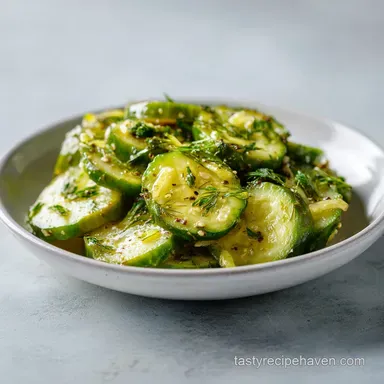
Bread and Butter Pickles: Crisp and Tangy
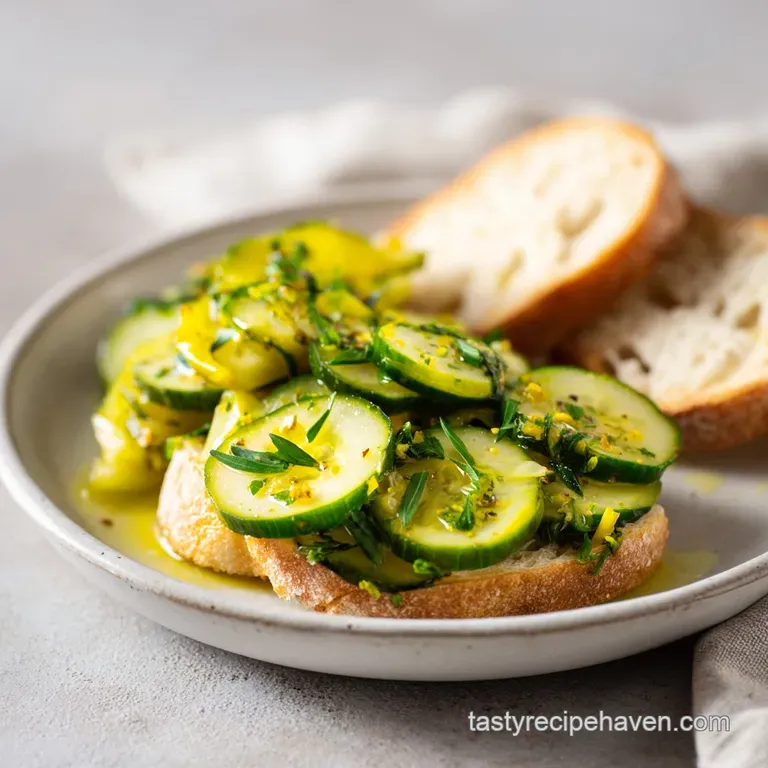
- Time: Active 20 minutes, Passive 2 hours 10 mins, Total 2 hours 30 mins
- Flavor/Texture Hook: Crisp, golden hued slices with a vinegar tang and sweet finish
- Perfect for: Summer burger nights, homemade gifts, and beginner canners
- Discover the Crunch of Bread and Butter Pickles
- The Best Sweet Tangy Profile
- Science Behind the Perfect Snap
- Timing and Yield Easy Planning
- Simple Ingredients Your Pantry Batch
- Essential Gear Pickling Success
- Simple Steps Homemade Pickling Success
- Pro Techniques Avoid Common Mistakes
- Scaling Your Batch Sizes
- Flavor Variations Custom Pickling
- Myths About Homemade Pickles
- Storage Preservation Success Guidelines
- Perfect Pairings Your Finished Pickles
- Recipe FAQs
- 📝 Recipe Card
Discover the Crunch of Bread and Butter Pickles
I remember the first time I tried making pickles. It was a humid July afternoon, and my kitchen counter was buried under a literal mountain of Kirby cucumbers from my neighbor’s garden. I was terrified of ending up with those limp, sad grey slices you find at the bottom of a cheap deli container.
I wanted that specific, high pitched "snap" when you bite into one, followed by that hit of sweetness that rounds out the vinegar.
The secret, I eventually learned, wasn't some fancy equipment or a secret chemical. It was actually in my freezer. That first batch taught me that a simple pile of crushed ice and a handful of pickling salt could do more for a cucumber's texture than any "gourmet" technique ever could.
Now, these golden slices are a permanent resident in my fridge door. They’re the first thing I reach for when I’m throwing together a quick lunch, and honestly, I've been known to snack on them straight from the jar while the toaster is still ticking.
If you’ve ever been intimidated by the idea of "preserving," take a breath. We’re keeping this manageable. Whether you’re a seasoned pro or someone who’s just trying to figure out what to do with a vegetable drawer that's getting out of hand, this recipe is designed to work every single time without a scramble.
We aren't just making pickles here; we’re building a flavor foundation that turns a basic sandwich into something you’ll actually look forward to eating.
The Best Sweet Tangy Profile
What sets this specific recipe apart is the balance. A lot of store-bought versions are cloyingly sweet, masking the actual flavor of the cucumber with corn syrup. Here, we use a specific ratio of apple cider vinegar and granulated sugar to create a brine that’s bright and refreshing.
The addition of thinly sliced onions and green bell pepper strips isn't just for show either; they pickle right alongside the cucumbers, absorbing all those spices and providing a varied texture that makes every forkful interesting.
The visual appeal is just as important as the taste. That distinctive yellow tint comes from the ground turmeric, which dyes the edges of the cucumber translucent and gold. When you see those whole cloves and mustard seeds floating in the jar, you know you’re dealing with the real deal.
It’s a nostalgic profile that reminds me of old school diners and backyard barbecues, but with a freshness that only comes from doing it yourself in your own kitchen.
Science Behind the Perfect Snap
Osmotic Pressure: Salt draws excess water out of the cucumber cells, which collapses the cell walls slightly and allows the brine to penetrate deeply without making the veggie mushy.
Pectin Preservation: The cold temperature of the ice bath keeps the vegetable's natural pectin structures firm, preventing the heat of the brine from turning the slices into a soft mess.
Acidity Barrier: Using vinegar with exactly 5% acidity ensures the pH level is low enough to keep the pickles safe for storage while providing the necessary "bite" to balance the sugar.
| Comparison Feature | Fresh Homemade Pickles | Shortcut store-bought |
|---|---|---|
| Texture | Firm, audible snap | Often soft or rubbery |
| Color | Vibrant gold and translucent | Dull green or artificially neon |
| Spice Control | Customizable and whole | Powdered or artificial extracts |
Freshness is king when it comes to pickling. While it’s tempting to grab whatever is on sale, the cell structure of a cucumber begins to break down the moment it’s picked.
By using the salt and ice method described below, you are essentially "pre shrinking" the cucumber so it stays resilient when hitting the hot brine. This is the difference between a pickle that shatters when you bite it and one that just bends sadly around your tooth.
Timing and Yield Easy Planning
When you're looking at a 2 hour and-30 minute total time, don't panic. The vast majority of that is completely hands off. You're basically letting physics do the work while you go about your day.
The active portion the slicing and the quick boil is actually quite fast, making this a great project for a weekend morning or even a focused weeknight.
- Prep Flow: Spend the first 20 minutes slicing your 3 lbs of Kirby cucumbers, onion, and bell pepper.
- The Wait: Toss them with 1/4 cup pickling salt and 3 cups crushed ice. Walk away for 2 hours.
- The Finish: Rinse, boil the brine for about 5 minutes, and combine. You're done.
This recipe yields 64 servings (about 4 to 5 pint jars), which sounds like a lot until you realize how quickly they disappear. It's the perfect amount for a family that loves a good Soft Sourdough Sandwich recipe throughout the week. If you have a smaller household, these jars make incredible gifts for neighbors or coworkers no one ever says no to a jar of homemade pickles.
Simple Ingredients Your Pantry Batch
- 3 lbs Kirby cucumbers: These are the short, bumpy ones. They have thicker skin and smaller seeds, which is vital for that crunch. Why this? Standard English cucumbers have too much water and will turn mushy.
- 1 large sweet yellow onion: Sliced into half moons. It adds a savory depth to the sweet brine.
- 1 medium green bell pepper: This provides an earthy contrast to the sweetness of the sugar.
- 1/4 cup pickling salt: Use salt without additives like iodine or anti caking agents to keep the brine clear.
- 3 cups crushed ice: Essential for keeping the vegetables cold while the salt draws out moisture.
- 2 cups apple cider vinegar: Look for 5% acidity. This provides a fruitier tang than white vinegar.
- 1.5 cups granulated sugar: The classic base for the "butter" part of the flavor profile.
- 1 tbsp mustard seeds: Adds a tiny pop of texture and a mild, peppery bite.
- 1 tsp celery seeds: Provides that quintessential "pickle" aroma that fills the kitchen.
- 0.5 tsp ground turmeric: This is strictly for that beautiful, sunny yellow color.
- 5 whole cloves: These add a warm, aromatic spice note that rounds out the vinegar.
| Component | Science Role | Pro Secret |
|---|---|---|
| Pickling Salt | Moisture Extraction | Avoid table salt; the iodine turns pickles a weird dark color. |
| Apple Cider Vinegar | Preservative & Tang | Check the label for 5% acidity to ensure safe preservation levels. |
| Turmeric | Natural Pigment | A little goes a long way; it stains plastic, so use glass bowls. |
| Crushed Ice | Temperature Control | The colder the cucumbers stay during salting, the crispier the result. |
The quality of your vinegar is the one place I’d suggest not cutting corners. While white vinegar works in a pinch, apple cider vinegar has a complexity that mimics the old-fashioned jars my grandmother used to keep in her cellar. It’s less "harsh" on the palate.
If you’re out of pickling salt, you can use Kosher salt, but make sure it’s a brand like Diamond Crystal and adjust the volume slightly, as the grain size varies.
Essential Gear Pickling Success
You don't need a industrial sized kitchen to make a fantastic batch of Bread and Butter Pickles. In fact, keeping things simple is usually better. You likely already have most of this in your pantry or cupboards.
I use a large glass or stainless steel bowl for the initial salting phase avoid aluminum or copper, as the salt and vinegar can react with the metal and give your pickles a metallic "off" flavor.
A good mandoline slicer is my best friend for this recipe. It ensures that every single cucumber round is exactly 1/4 inch thick. If the slices are uneven, some will be over processed and soft while others stay raw in the center. If you don't have a mandoline, just take your time with a sharp chef's knife.
You'll also need a large pot for the brine and clean glass jars for storage. If you plan on canning them for long term shelf storage, you'll need a water bath canner, but for refrigerator pickles, any clean glass jar with a tight lid will do.
Simple Steps Homemade Pickling Success
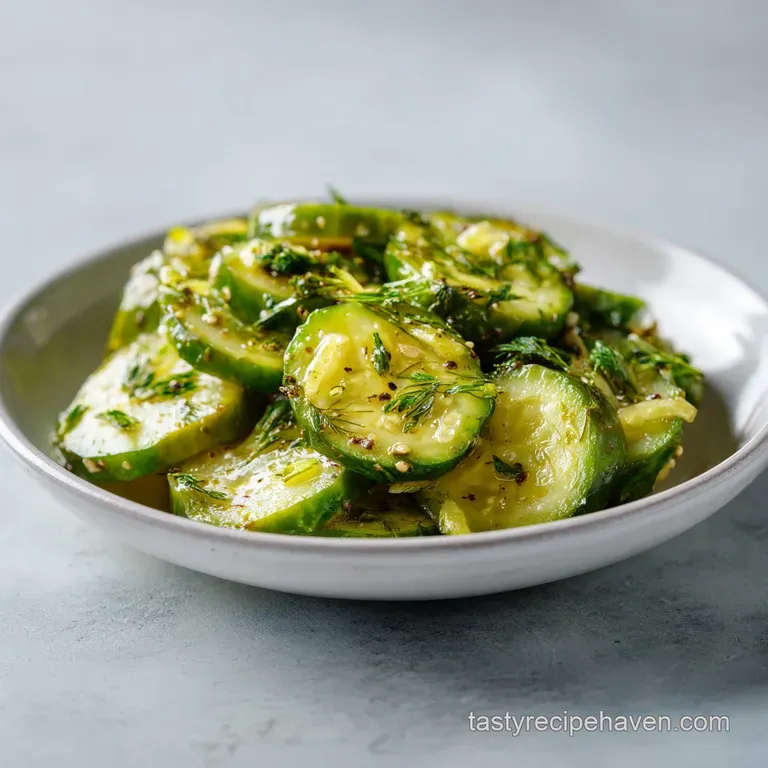
Prepping the Veggie Foundation
First, wash your 3 lbs of Kirby cucumbers thoroughly, removing any dirt from the bumps. Slice them into 1/4 inch rounds. Note: Cutting off a tiny sliver of the blossom end helps keep them crunchy as it contains enzymes that cause softening. Slice your large sweet yellow onion into half moons and the green bell pepper into thin strips.
Drawing Out Excess Moisture
In a large non reactive bowl, layer the cucumbers, onions, and peppers with the 1/4 cup pickling salt. Cover the entire mixture with 3 cups of crushed ice. Let it sit for 2 hours until the ice has mostly melted and the vegetables look slightly wilted but firm.
This step is non negotiable for the texture.
Rinsing and Draining
After the 2 hours are up, drain the vegetables in a colander. Rinse them thoroughly under cold running water to remove the excess salt. Drain them again very well. You want as little plain water as possible going into your brine, otherwise, you'll dilute the flavor.
Infusing the Sweet Brine
In a large pot, combine the 2 cups apple cider vinegar, 1.5 cups granulated sugar, 1 tbsp mustard seeds, 1 tsp celery seeds, 0.5 tsp turmeric, and 5 whole cloves. Bring this mixture to a boil over medium high heat, stirring until the sugar is completely dissolved.
Wait for a rolling boil to ensure the spices have started to release their oils.
The Quick Cook
Add the drained cucumber and onion mixture to the boiling brine. Stir gently to coat everything. Heat the mixture just until it reaches a boil again. Do not overcook; you only want the vegetables to be heated through, not boiled into submission. This usually takes about 2 to 3 minutes.
Packing the Jars
Using a slotted spoon, pack the hot vegetables into clean jars. Pour the hot brine over the vegetables, leaving about 1/2 inch of headspace at the top. Ensure the cloves and seeds are distributed evenly among the jars.
Cooling and Curing
Let the jars sit on the counter until they reach room temperature. Wipe the rims clean and screw on the lids. Place them in the refrigerator. Wait at least 24 hours before eating; the flavor needs time to penetrate the center of the cucumber slices.
Pro Techniques Avoid Common Mistakes
One mistake I once made was skipping the blossom end trim. I thought it was an old wives' tale, but my pickles ended up slightly mushy within a week. The blossom end (the side opposite the stem) contains an enzyme called pectinesterase which actively softens the fruit.
A quick 1/16th-inch slice off that end is your insurance policy for a "shatter crisp" result.
Avoiding Soft Mushy Pickles
If your pickles aren't crunchy, it usually comes down to heat or time. If you boil the cucumbers in the brine for too long, you’re essentially cooking them like a side dish. You only want to bring the whole pot back to a boil and then immediately kill the heat. Think of it as a quick blanch rather than a stew.
Selecting the Right Salt
Table salt is the enemy of a clear brine. The anti caking agents (like sodium ferrocyanide yikes) and iodine will turn your beautiful golden liquid into a cloudy, muddy mess. Stick to pure pickling or canning salt.
If you’re in a scramble and only have Kosher salt, ensure it has no additives and use a bit more by volume, as it's less dense than pickling salt.
| Problem | Root Cause | Solution |
|---|---|---|
| Soft Pickles | Enzymes in blossom end | Trim 1/16th inch off the blossom end before slicing. |
| Bitter Taste | Cucumber skin or seeds | Use Kirby/Pickling varieties; older, larger cucumbers are naturally bitter. |
| Shriveled Slices | Too much sugar/salt too fast | Follow the 2 hour ice bath rule to stabilize the cells before the hot brine. |
Chef's Tip: For an even deeper crunch, add a fresh grape leaf or a pinch of "Pickle Crisp" (calcium chloride) to each jar. The tannins in the leaf or the calcium in the powder help reinforce the pectin in the cucumber's cell walls.
Common Mistakes Checklist:
- ✓ Using "slicing" or English cucumbers instead of pickling varieties (too much water).
- ✓ Forgetting to rinse the salt off after the ice bath (will result in salt lick pickles).
- ✓ Using old spices from the back of the pantry (they lose their aromatic oils).
- ✓ Boiling the cucumbers for more than 5 minutes (turns them into mush).
- ✓ Not checking the vinegar acidity (needs to be 5% for safety).
Scaling Your Batch Sizes
If you have a bumper crop of cucumbers and need to double this recipe, it's fairly straightforward. However, don't just double everything blindly. When you scale up, the salt and spices can become overwhelming.
Scaling Up (2x or 4x): For the brine, you can double the vinegar and sugar exactly. However, for the spices (mustard seed, celery seed, turmeric, and cloves), I recommend only increasing them by 1.5x. Spices can become "muddy" in large quantities.
Also, work in batches when heating the cucumbers in the brine. If you crowd the pot with 6 lbs of cold cucumbers at once, the temperature will drop so much that they'll spend too much time sitting in warm liquid before it boils again, leading to softer pickles.
Scaling Down (1/2): This is easy! Half the ingredients perfectly. You can use a smaller pot and save space in the fridge. If you're only making one jar, you can even do a "quick pickle" version without the 2 hour wait, though the texture won't be quite as legendary. For a fun twist on a smaller scale, you might want to try a Sourdough Bread Bread Machine recipe to serve alongside your mini batch for a perfect weekend lunch.
Flavor Variations Custom Pickling
Bread and Butter Zucchini Pickles
If your garden is overflowing with zucchini instead of cucumbers, use the exact same method! Zucchini has a slightly different texture a bit more velvety but it takes to the sweet brine beautifully. Just make sure to use smaller, firmer zucchini so the seeds aren't too large.
Adding a Spicy Kick
I love a bit of "sweet heat." To turn these into "Fire and Ice" pickles, add 1/2 teaspoon of red pepper flakes or two sliced fresh jalapeños (seeds included) to the brine while it boils. The capsaicin balances the sugar perfectly.
The Traditional Herb Twist
If you want something slightly more herbaceous, swap out the whole cloves for a few sprigs of fresh dill. It’s not a traditional Bread and Butter move, but the combination of the sweet brine and the fresh dill is incredibly addictive on a turkey sandwich.
| If you want... | Do this... |
|---|---|
| Extra Crunch | Add 1/8 tsp of calcium chloride (Pickle Crisp) per pint jar. |
| Less Sweetness | Reduce sugar to 1 cup; increase vinegar by 1/4 cup. |
| More Savory | Double the onions and add 2 cloves of smashed garlic to each jar. |
Myths About Homemade Pickles
One common myth is that you must use a pressure canner for pickles. This is false! Because of the high acidity in the vinegar brine, Bread and Butter Pickles are perfectly safe for water bath canning or simply keeping in the refrigerator. The acid acts as a natural barrier against spoilage.
Another misconception is that the "Bread and Butter" name comes from the ingredients. There is no bread or butter in the recipe! The name actually dates back to the Depression era, where these pickles were so cheap and satisfying that they were often served between two slices of buttered bread as a main meal.
Finally,, people think you can't use "regular" salt. While pickling salt is best for clarity, you can use non iodized sea salt or Kosher salt in a pinch. The "myth" is that table salt ruins the safety it doesn't, it just ruins the appearance and sometimes the flavor due to the iodine and anti caking additives.
Storage Preservation Success Guidelines
Storage: These are refrigerator pickles. Once they've cooled and been capped, they will stay fresh and crunchy in the fridge for up to 3 weeks. Honestly, they usually don't last that long in my house.
The vinegar is a preservative, so they won't "spoil" quickly, but the texture will slowly soften after the one month mark.
Freezing: Do not freeze these. The ice crystals will puncture the cell walls of the cucumbers, and when they thaw, you’ll be left with a jar of cucumber soup. Pickling is a preservation method meant for cool storage, not the freezer.
Zero Waste: Don't toss that brine once the pickles are gone! Use it as a marinade for chicken (it makes the juiciest fried chicken ever) or use the pickled onions and peppers in a potato salad. You can even use a splash of the brine in a vinaigrette for a bit of extra punch.
The leftover cloves and seeds can be strained out, but the liquid itself is liquid gold.
Perfect Pairings Your Finished Pickles
These pickles are the absolute "MVP" of the condiment world. Their sweet and sour profile makes them the perfect foil for rich, fatty meats. I never serve a burger without a pile of these on the side, or better yet, tucked right under the melted cheese. The vinegar cuts right through the richness of the beef.
The Ultimate Backyard Burger
Pile these high on a toasted bun with a juicy patty, sharp cheddar, and a swipe of Dijon mustard. The mustard seeds in the pickle brine echo the condiment on the bun, creating a cohesive flavor profile that feels much more "gourmet" than a standard weeknight meal.
Southern Style Fried Chicken
There is a reason why a certain famous chicken sandwich chain puts two pickles on every bun. The acidity of the Bread and Butter Pickles refreshes your palate between bites of crispy, salty fried skin.
If you're feeling adventurous, try dipping your chicken in a little bit of the leftover pickle juice trust me, it’s a game changer.
These also work beautifully on a charcuterie board. The golden color pops against white cheeses like brie or sharp white cheddar, and the sweetness pairs surprisingly well with salty cured meats like prosciutto or salami.
Whatever you do, make sure you have enough to go around, because once people realize they're homemade, they'll be asking for the recipe before they've even finished their first slice.
Recipe FAQs
Can I substitute English cucumbers for Kirby or pickling cucumbers?
No, stick to pickling varieties. English cucumbers have too much water content and higher concentrations of softening enzymes, which results in limp, soft pickles even with proper ice bathing.
How to ensure the pickles have a signature crisp texture?
Use a salt and ice bath for two hours before brining. This process draws excess moisture out of the cell structure, stabilizing the pectin so the hot brine doesn't turn the slices soft.
Is it true that you must use a pressure canner for safe storage?
No, this is a common misconception. Because the brine is highly acidic (5% vinegar), these refrigerator pickles are safe for water bath canning or simple refrigeration without pressure processing.
Why is my finished brine cloudy instead of clear and yellow?
You likely used iodized table salt. Iodine and anti caking agents present in table salt react with the brine, causing it to turn a muddy, opaque color instead of a vibrant gold.
How long must the pickles cure before they taste correct?
Wait at least 24 hours before eating them. While they are technically safe sooner, the cucumbers need a full day immersed in the brine for the sweet and tangy spices to fully penetrate the center of the slices.
What is the purpose of trimming the blossom end of the cucumber?
Trim to deactivate softening enzymes. The blossom end contains pectinesterase, an enzyme that actively breaks down the pickle's structure; removing a tiny sliver of that end ensures maximum snap retention.
How should I adjust the recipe if I want to double the batch size?
Increase vinegar and sugar exactly, but slightly reduce the spices. When doubling volume, increase the spices (like celery seed and cloves) by only 1.5 times to prevent the flavor from becoming overwhelming or muddy in the larger volume.
Bread And Butter Pickles Recipe