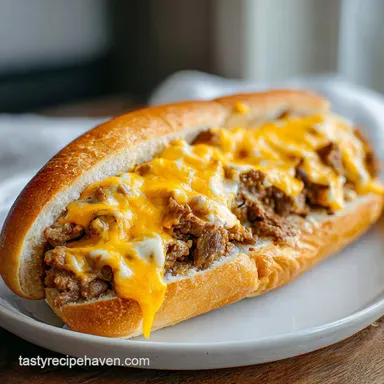
Cheesy Philly Steak: Tender Ribeye and Melted Cheese
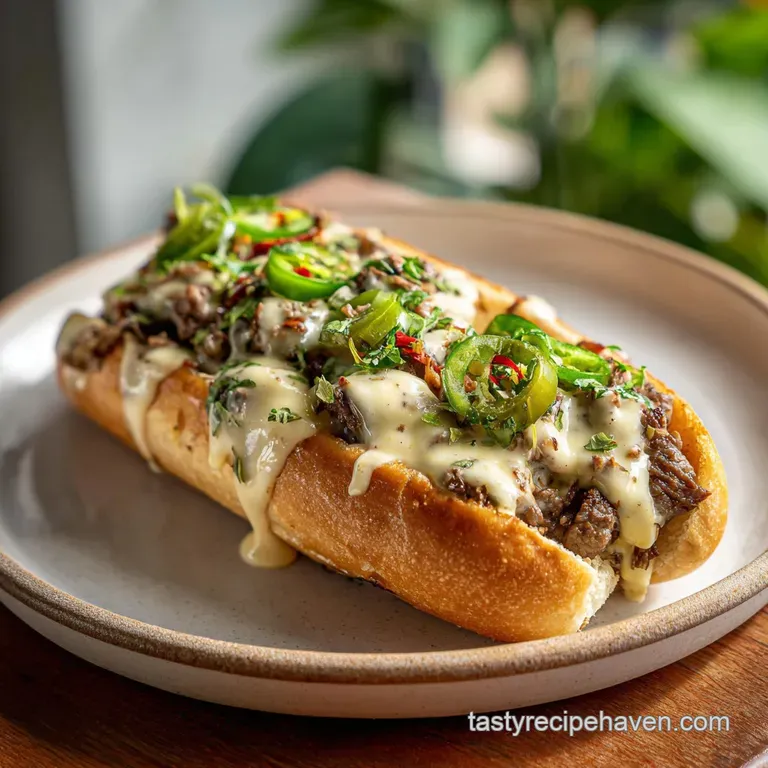
- Time: Active 15 minutes, Passive 50 minutes, Total 1 hour 5 mins
- Flavor/Texture Hook: Silky, melted provolone meets the charred, umami rich sear of thin shaved ribeye.
- Perfect for: High protein weeknight dinners or a crowd-pleasing game day spread.
- Mastering the Ultimate Cheesy Philly Steak
- Why This Flavor Contrast Works
- Essential Specs for Your Steak
- The Components of a Great Skillet
- Tools for a Perfect Sear
- Step-by-Step Guide to Maximum Flavor
- Avoiding Common Kitchen Sogginess
- Flavor Swaps and Heat Adjustments
- Searing Meat Does Not Seal In Juices
- Storing and Repurposing Your Leftovers
- Serving Your Masterpiece with Style
- Very High in Sodium
- Recipe FAQs
- 📝 Recipe Card
Mastering the Ultimate Cheesy Philly Steak
The sizzle of thin shaved ribeye hitting a screaming hot cast iron skillet is a sound that lives rent free in my head. I remember standing on a sidewalk in South Philly, the air thick with the aroma of grilled onions and salt, watching a cook work a flat top with the speed of a drummer.
The grease stained paper wrap was the only thing standing between me and a beautiful, messy masterpiece. It wasn’t just a sandwich; it was a lesson in how simple ingredients, when treated with high heat and the right cheese, create something legendary.
I spent months trying to replicate that specific, velvety texture at home without turning my kitchen into a smokehouse. The mistake I once made was using meat that was too thick or too lean. You need that fat to render out and coat the peppers.
But the real breakthrough came when I realized that the "cheesy" part of a Cheesy Philly Steak doesn't just come from the slices on top it comes from creating a light emulsion that ties the beef broth and the sharp provolone together.
Trust me on this, once you try the Greek yogurt trick I’ve included here, you’ll never go back to plain melted slices.
Right then, let's talk about the contrast that makes this work. We want the bell peppers to be soft enough to fold into the meat but still hold a hint of their bright, garden snap. We want the onions to be sweet and translucent, providing a sugary foil to the salty, sharp provolone.
This isn't just about throwing things in a pan; it's about the timing of the sear and the patience of the prep. It’s comfort food that feels like a win every single time you serve it.
Why This Flavor Contrast Works
To get that authentic result, we have to respect the chemistry of the skillet. It’s not magic; it’s just physics and fat working in harmony.
- Intramuscular Render: 1.5 lbs Ribeye Steak contains enough marbling that as it hits the pan, the fat liquifies, essentially "confiting" the meat in its own juices for a silky mouthfeel.
- The Maillard Reaction: over High heat avocado oil allows the beef to develop a deep brown crust (umami) without the oil breaking down or smoking too early.
- Emulsified Creaminess: Adding 2 tbsp low-fat Greek Yogurt to the pan juices creates a bridge between the 0.25 cup Low sodium Beef Broth and the 150g Sharp Provolone Cheese, preventing the cheese from becoming oily or stringy.
- Cellulose Breakdown: Slicing the large Yellow Onion into half moons allows the sugars to caramelize evenly, providing a sweet contrast to the 1 tsp Sea Salt used for seasoning.
| Thickness | Internal Temp | Rest Time | Visual Cue |
|---|---|---|---|
| Shaved (1/8 inch) | 145°F | 1 minute | No pink remains, edges are crispy |
| Sliced (1/4 inch) | 145°F | 3 minutes | Browned exterior, tender center |
| Strips (1/2 inch) | 150°F | 5 minutes | Firm texture, requires more chewing |
When you are aiming for that classic texture, the thickness of your steak is the biggest variable you can control. Shaved meat provides more surface area for the cheese to cling to, while thicker slices feel more like a traditional steak dinner.
Most people prefer the shaved method because it mimics the "melt in-your mouth" quality of the best steak shops.
Essential Specs for Your Steak
Before we fire up the stove, let's look at the "how" behind our main players. Choosing the right fat and the right cut is the difference between a dry stir fry and a lush Cheesy Philly Steak.
| Component | Science Role | Pro Secret |
|---|---|---|
| Ribeye Steak | High fat to protein ratio | Freeze for 45 mins before slicing |
| Avocado Oil | High smoke point (520°F) | Keeps the sear clean, no burnt taste |
| Provolone | Low melting point | Use "Sharp" for better flavor depth |
| Beef Broth | Deglazing agent | Scrapes up the "fond" (flavor bits) |
Choosing your steak is the most important step in this whole process. While some people suggest sirloin or flank, ribeye is the gold standard for a reason. The fat content ensures the meat stays tender even when cooked to a well done state, which is traditional for this dish.
If you find ribeye too pricey, look for a well marbled chuck eye steak as a budget friendly alternative.
The Components of a Great Skillet
You’ll want to have everything chopped and ready to go (mise en place) because once the heat is on, things move fast. We are looking for that perfect balance of protein, aromatics, and dairy. Similar to the technique used in our Garlic Butter Steak Potatoes recipe, the key is to not overcrowd the pan.
- 1.5 lbs Ribeye Steak: Trimmed of the heavy outer fat but keep the internal marbling. Why this? The fat renders into the vegetables for maximum flavor.
- Sub: Top Sirloin (leaner, requires more oil).
- 1 large Yellow Onion: Sliced into half moons. Why this? They hold their shape better than white onions.
- Sub: Red Onion (adds a sharper, peppery bite).
- 2 Green Bell Peppers: Sliced into thin strips. Why this? Classic bitter sweet crunch that cuts through the fat.
- Sub: Poblano peppers (adds a mild, smoky heat).
- 2 cloves Garlic: Minced. Why this? Adds a punchy aromatic finish to the fat.
- Sub: 1 tsp Garlic Powder (if you're in a rush).
- 2 tbsp Avocado Oil: For the over high heat sear. Why this? Won't smoke out your kitchen like butter would.
- Sub: Grapeseed oil.
- 1 tsp Sea Salt & 1 tsp Freshly Cracked Black Pepper: Simple seasoning.
- 150g Sharp Provolone Cheese: Sliced. Why this? Melts beautifully with a sophisticated "stink."
- Sub: Muenster or White American cheese.
- 2 tbsp low-fat Greek Yogurt: The secret weapon. Why this? Emulsifies the sauce without adding heavy cream.
- Sub: Sour cream (slightly more tang).
- 0.25 cup Low sodium Beef Broth: For moisture. Why this? Deglazes the pan and keeps the steak juicy.
- Sub: Water with a splash of Worcestershire sauce.
- 4 Hoagie Rolls: The vessel.
- 1 tbsp Grass fed Butter: For toasting the rolls.
Tools for a Perfect Sear
You don't need a professional kitchen, but a few specific items make this Cheesy Philly Steak recipe much easier to execute. Honestly, don't even bother with a non stick pan for the steak; you want the meat to stick slightly so it builds up that flavorful brown crust.
- Cast Iron Skillet (12 inch): This is non negotiable for the best sear. It holds heat better than stainless steel and creates a superior crust on the ribeye.
- Very Sharp Chef's Knife: Essential for getting those paper thin slices of beef. If your knife is dull, you'll end up with chunks rather than shavings.
- Metal Spatula: Great for scraping the bottom of the pan to incorporate the beef broth and the "fond."
- Tongs: Perfect for tossing the peppers and onions without bruising them.
Chef's Tip: Freeze your ribeye for exactly 50 minutes before slicing. It firms up the fat and muscle, allowing you to slice it almost as thin as deli meat, which is the secret to that "shatter tender" texture.
Step-by-step Guide to Maximum Flavor
1. The Prep Phase
Freeze the 1.5 lbs Ribeye Steak for 50 minutes. Slice it against the grain into paper thin strips. Note: Slicing against the grain breaks up tough fibers, making the meat tender.
2. Searing the Aromatics
Heat 1 tbsp Avocado Oil in the skillet over medium high heat. Add the sliced Yellow Onion and Green Bell Peppers. Cook for 5-7 minutes until the onions are translucent and the peppers have charred edges.
3. The Garlic Finish
Add the 2 cloves of minced Garlic to the vegetables. Sauté for 1 minute until the aroma fills the kitchen. Remove the vegetables from the pan and set them aside.
4. over High heat Steak Transformation
Wipe the pan quickly and add the remaining 1 tbsp Avocado Oil. Increase heat to high. Add the steak in a single layer (work in batches if needed). Season with 1 tsp Sea Salt and 1 tsp Black Pepper. Sear for 2-3 minutes until the meat is browned and slightly crispy.
5. Deglazing the Pan
Pour in the 0.25 cup Low sodium Beef Broth. Use your spatula to scrape up all the brown bits from the bottom. Note: This broth will become the base of your cheese sauce.
6. The Cheesy Integration
Reduce heat to low and add the vegetables back into the pan with the steak. Stir in the 2 tbsp low-fat Greek Yogurt until the meat is coated in a light, creamy film.
7. Melting the Provolone
Lay the 150g Sharp Provolone Cheese slices over the top of the mixture. Cover the pan with a lid or foil for 1-2 minutes until the cheese is completely melted and bubbly.
8. Toasting the Foundation
While the cheese melts, split the 4 Hoagie Rolls and spread them with 1 tbsp Grass fed Butter. Toast in a separate pan or under the broiler until the edges are golden brown.
9. The Assembly
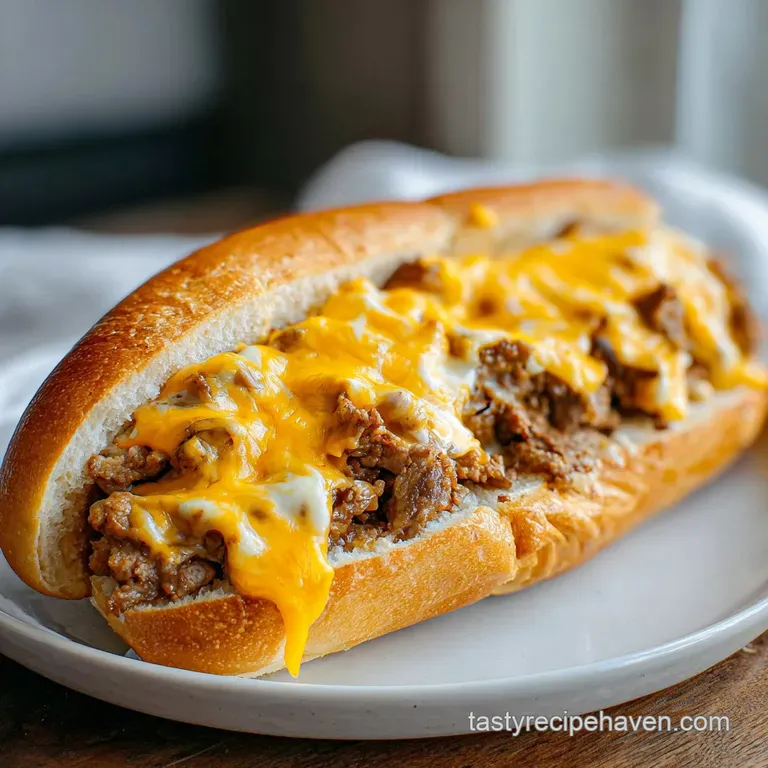
Divide the cheesy steak mixture into four portions directly in the pan. Use your spatula to lift each portion and slide it into a toasted roll.
10. The Final Rest
Let the sandwiches sit for 2 minutes before serving. This allows the juices to soak slightly into the bread without making it soggy.
Avoiding Common Kitchen Sogginess
The biggest enemy of a good Philly Steak is excess moisture. If your meat is steaming instead of searing, you’ll lose that beautiful contrast between the crisp edges and the soft center.
Why Your Steak Steams
If you dump all 1.5 lbs of meat into the pan at once, the temperature drops instantly. The moisture that should evaporate is trapped, and the meat boils in its own juices. This leads to a grey, rubbery texture.
| Problem | Root Cause | Solution |
|---|---|---|
| Sullen, Grey Meat | Overcrowding the skillet | Sear in two batches on high heat |
| Soggy Hoagie Roll | Adding cold meat to bread | Toast rolls with butter to create a barrier |
| Broken, Oily Sauce | Cheese melted too fast | Use the Greek yogurt to stabilize the fat |
Common Mistakes Checklist
- ✓ Pat the steak dry: Use a paper towel to remove surface moisture before it hits the oil.
- ✓ Preheat the pan: Wait until the avocado oil is shimmering and just starting to wispy smoke.
- ✓ Don't stir too early: Let the steak sit for 60 seconds without moving it to develop a crust.
- ✓ Use Sharp Provolone: Mild provolone often lacks the saltiness needed to stand up to the beef.
- ✓ Toast the bread: A toasted roll provides the structural integrity needed for a "heavy" sandwich.
Flavor Swaps and Heat Adjustments
If you are cooking for a larger group or just want to change the vibe, this recipe is incredibly flexible. For those who love a bit of heat, the "Heat Wave" swap is a personal favorite in my house.
The "Heat Wave" Swap
Replace the Green Bell Peppers with sliced Poblanos and add 2 tbsp of jarred pickled jalapeños during the last minute of cooking. This provides a vinegary punch that cuts through the richness of the ribeye and provolone.
The Cheesy Philly Steak Tortellini Skillet
If you’re not in the mood for bread, toss the finished steak and vegetable mixture with cooked cheese tortellini instead. The pasta acts as a vehicle for that creamy yogurt and beef broth sauce. This version is very similar to the comfort found in our Philly Cheesesteak Pasta recipe, which is a huge hit for weeknight dinners.
Scaling the Recipe
- Scaling DOWN (1-2 Servings): Use a smaller 8 inch skillet. Reduce the beef broth to 2 tablespoons and use only 1 tbsp of Greek yogurt to maintain the right consistency.
- Scaling UP (8 Servings): Use two separate skillets or a large griddle. Do not double the salt immediately start with 1.5 tsp and adjust to taste, as the cheese adds significant sodium. Cook the vegetables first and keep them warm in a low oven while you sear the meat in batches.
| Method | Time | Texture | Best For |
|---|---|---|---|
| Stovetop Skillet | 15 mins | Crispy, charred edges | The classic experience |
| Crock Pot | 6 hours | Fall apart tender | Meal prep or busy days |
| Sheet Pan | 20 mins | Soft, roasted veggies | Cooking for 6+ people |
Searing Meat Does Not Seal In Juices
It’s a common belief that searing meat over high heat "locks in" the moisture by creating a waterproof barrier. In reality, searing actually causes more moisture loss because high heat tightens the muscle fibers, squeezing liquid out.
The reason we sear isn't for moisture it's for the flavor compounds created by the Maillard reaction. We get the moisture back by adding the beef broth and Greek yogurt at the end.
Another myth is that you must use "Cheese Whiz" for an authentic Philly Steak. While it is a popular option at some famous stands, many of the oldest and most respected shops in Philadelphia use Provolone or American cheese. Use what you enjoy; the "best" cheese is the one that makes you want to go back for seconds.
Storing and Repurposing Your Leftovers
This recipe makes excellent leftovers, provided you store the meat and bread separately.
- Storage: Keep the steak and vegetable mixture in an airtight container in the fridge for up to 3 days. I don't recommend freezing the finished mixture with the yogurt and cheese, as the texture can become grainy upon thawing.
- Reheating: The best way to reheat is in a small skillet over medium low heat with a splash of beef broth to loosen the sauce. Avoid the microwave if possible, as it tends to turn the ribeye rubbery.
- Zero Waste: If you have leftover meat but no more rolls, chop the steak mixture finely and use it as a filling for an omelet the next morning. You can also use any leftover onion and pepper scraps to start a base for a soup or a Roasted Red Potatoes recipe side dish.
Serving Your Masterpiece with Style
When you’re ready to serve, don't just put the sandwich on a plate. Part of the joy of a Cheesy Philly Steak is the presentation. I like to wrap the bottom half of the hoagie in a piece of parchment paper or foil. This keeps the heat in and catches any of that delicious cheese sauce that might try to escape.
If you’re serving this for a game day platter, cut the hoagies into thirds to create "sliders." It makes them easier to grab and share. Pair them with a side of crispy fries or a simple vinegar based coleslaw to provide a bright, acidic contrast to the rich, savory steak.
No matter how you serve it, make sure you have plenty of napkins on hand you're going to need them!
Very High in Sodium
1190 mg mg of sodium per serving (52% % of daily value)
The American Heart Association recommends limiting sodium intake to no more than 2,300mg per day for most adults. This recipe exceeds half that amount.
Sodium Reduction Tips for Your Ribeye Cheesesteak
-
Swap Broth-30%
Use homemade or no-sodium beef broth. This simple substitution can significantly reduce the overall sodium content.
-
Reduce Cheese-15%
Decrease the amount of provolone cheese used by 25-50% or choose a lower sodium cheese option, like fresh mozzarella. The sodium content in cheese can add up quickly.
-
Cut Back Salt-12%
Reduce the amount of sea salt by half (0.5 tsp) or eliminate it entirely. Taste the dish before adding any salt. Other flavors will be enhanced!
-
Bread Choice-10%
Choose low-sodium hoagie rolls. Many commercially available rolls contain a surprisingly high amount of sodium.
-
Meat Quality-5%
Choose high-quality ribeye. Higher quality meat often requires less added salt for flavor.
-
Spice It Up!
Experiment with fresh and dried herbs and spices like oregano, basil, red pepper flakes, or garlic powder to boost flavor without adding sodium.
Recipe FAQs
What type of cheese is on a Philly cheesesteak?
Sharp Provolone is the best recommendation. While American or Cheez Whiz are common variations, Sharp Provolone offers the necessary salty tang to balance the richness of the ribeye steak.
What is the secret ingredient in Philly cheesesteak?
Low-fat Greek Yogurt is the secret ingredient for texture. Stirring it in creates a stable, creamy emulsion with the beef broth, clinging to the meat without becoming oily or stringy.
How to do a Philly cheesesteak?
Sear thinly sliced ribeye over high heat until browned. Next, cook your onions and peppers until charred, then combine everything in the pan with beef broth and the yogurt mixture before topping with cheese.
What sauce goes on a Philly cheesesteak?
A natural sauce is created from the rendered beef fat, beef broth, and melted cheese. This mixture emulsifies beautifully when you add the Greek yogurt, avoiding the need for a separate, heavy sauce.
Is it true that searing meat seals in the juices?
No, this is a common misconception. Searing primarily develops deep flavor compounds through the Maillard reaction; high heat actually tightens muscle fibers, which can cause moisture loss if not managed.
Can I use sirloin instead of ribeye for this recipe?
Yes, you can substitute sirloin, but you must add extra fat. Sirloin is leaner, meaning you need to ensure you use adequate avocado oil when searing to mimic the richness provided naturally by ribeye marbling.
How do I stop the hoagie roll from getting soggy?
Toast the rolls generously with butter before assembly. This creates a slight barrier that resists absorption, much like creating a fat layer before building a sauce base in our Chicken Lasagna recipe.
Cheesy Philly Steak Skillet