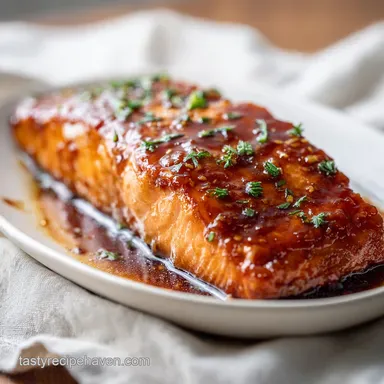
Salmon Marinade: Honey and Soy Glazed
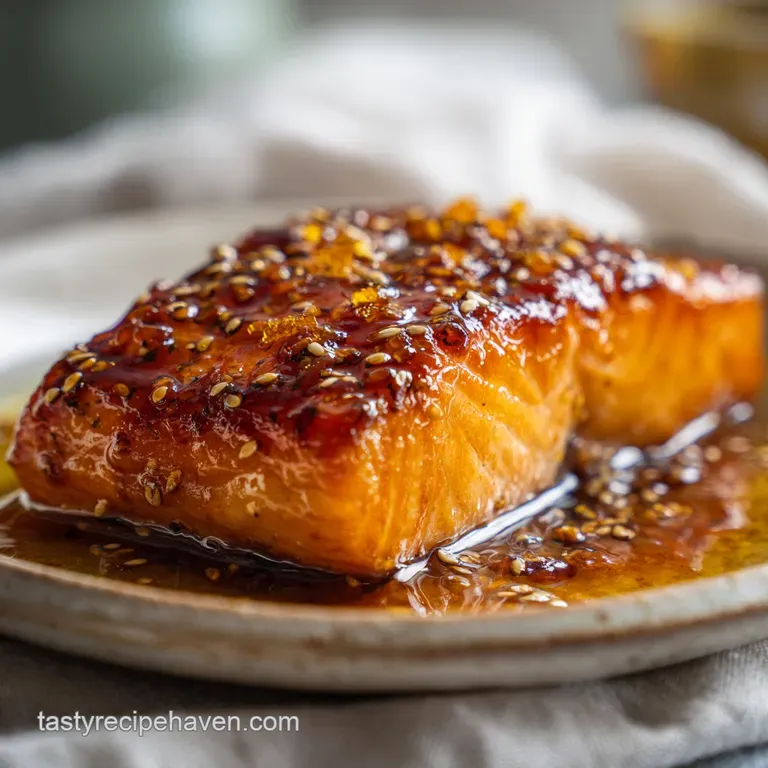
- Time: 5 min active + 20 min marinating + 10 min cook = Total 40 mins
- Flavor/Texture Hook: Velvety glaze with a slight char and flaky center
- Perfect for: A sustainable weeknight dinner or meal prep
A Simple Flavor Forward Salmon Marinade
That smell when the honey hits the hot pan - that deep, caramelized sweetness mixing with pungent garlic - is enough to make anyone in the house run to the kitchen. I remember the first time I tried to be "professional" with fish.
I thought marinating for six hours would make it taste better, so I left my fillets soaking in a lemon heavy mixture all afternoon. When I finally cooked it, the fish wasn't tender; it was mealy. The acid had literally started "cooking" the proteins, turning my dinner into a mushy mess.
Forget everything you've heard about long marination times for seafood. Fish is delicate, and if you leave it in an acidic marinade too long, you're just ruining the texture. For a flavor forward result, a short burst of 20 minutes is all you need.
This approach keeps the fillet plump and satisfying while letting the umami from the soy sauce penetrate just enough to enhance the natural richness of the salmon.
We're going for a balance here - sweet, salty, and bright. By using a few nutrient dense ingredients like fresh ginger and garlic, we create a layer of flavor that doesn't mask the fish but makes it shine. Trust me, once you see that golden brown crust forming, you'll never go back to those bland, store-bought options.
Quick Recipe Details
Before we get into the grit, let's look at how the different heat sources change the outcome. Since this is a versatile mix, you can pivot based on what you've got running in your kitchen.
| Method | Time | Texture | Best For |
|---|---|---|---|
| Oven | 10-12 min | Evenly tender | Large batches |
| Air Fryer | 7-9 min | Crispy edges | Fast cleanup |
| Grill | 7-9 min | Charred/Smoky | Summer vibes |
Right then, let's look at the timing. We've got 5 minutes of active prep, but don't forget that 20 minute resting period. If you rush it, you lose the infusion. Total time is 40 minutes, which is practically a blink in the world of home cooking.
Umami Component Breakdown
I used to think a marinade was just "flavor water," but it's actually about managing how the fish reacts to heat. Here's what's actually happening in the bowl.
- Sugar Caramelization: The honey provides simple sugars that brown quickly. This creates that velvety crust without needing to overcook the inside.
- Salt Penetration: Soy sauce uses osmosis to pull flavors into the outer layers of the fish, seasoning it deeper than just a surface sprinkle of salt.
- Acid Balance: Lemon juice cuts through the fatty oils of the salmon, making the whole dish feel lighter and more refreshing.
- Aromatic Infusion: Garlic and ginger release sulfur compounds when heated, which creates that signature "restaurant" aroma that fills the room.
Component Analysis
| Ingredient | Science Role | Pro Secret |
|---|---|---|
| Soy Sauce | Umami Base | Use Tamari for a gluten-free, richer depth |
| Honey | Glazing Agent | Warm it slightly if it's too thick to whisk |
| Lemon Juice | pH Balancer | Use fresh squeezed; bottled is too metallic |
| Fresh Ginger | Zesty Contrast | Grate it finely to avoid "woody" chunks |
Essential Kitchen Tools
You don't need a fancy setup, but a few specific things make this way easier. I highly recommend a glass dish for marinating. Plastic containers can hold onto old smells, and since we're using garlic and ginger, you don't want your salmon tasting like last week's leftovers.
For the cooking part, a parchment lined baking sheet is a lifesaver for the oven method. It prevents the honey from glueing your salmon to the pan, which is a heartbreak I've experienced too many times.
If you're grilling, a well oiled cast iron grate or a fish spatula is a must to avoid the "fish sticking to the grill" nightmare.
Finally,, grab a digital meat thermometer. According to FoodSafety.gov , salmon (fish with fins) needs to be cooked to 145ºF to be safely consumed. However, many home cooks prefer pulling it at 135°F and letting carryover cooking do the rest to keep it from drying out.
The Cooking Process
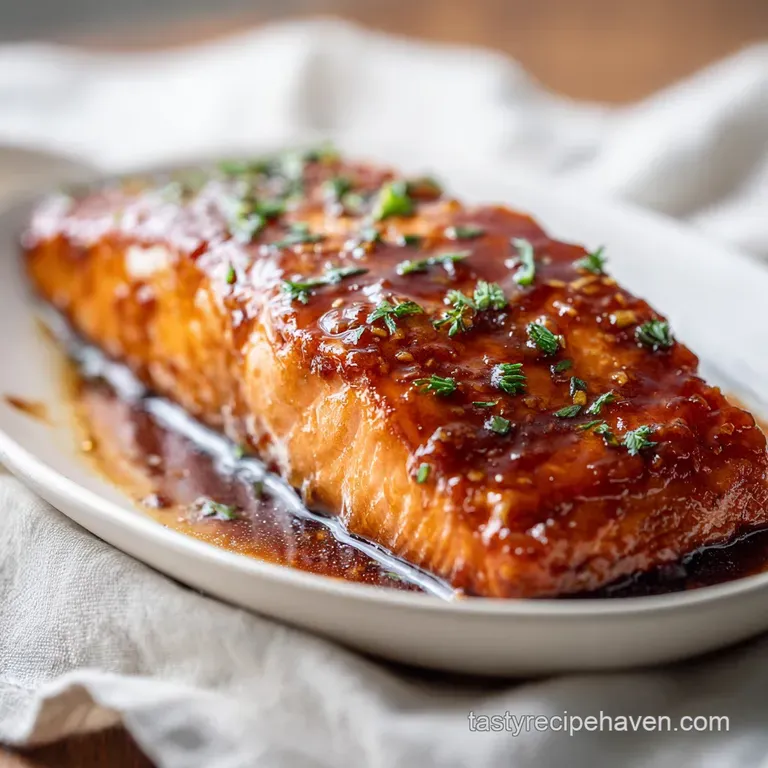
Let's crack on with the actual build. The goal here is a consistent coating and a precise internal temp.
The Flavor Infusion
- Whisk the soy sauce, honey, olive oil, lemon juice, garlic, and ginger in a small bowl. Note: Keep whisking until the honey is fully dissolved so you don't get "sugar pockets."
- Place your 1.5 lbs of salmon fillets in a glass dish or a sealed bag.
- Pour the marinade over the fish and massage it gently. Note: This ensures every nook and cranny is covered.
- Let it sit at room temperature for 20 minutes. Wait until you smell that pungent ginger scent lifting from the fish.
Choosing Your Heat
- For Oven: Preheat to 400°F (200°C). Bake for 10-12 minutes until the edges are sizzling and the top is golden.
- For Air Fryer: Set to 380°F (190°C). Cook for 7-9 minutes until the glaze looks tacky and caramelized.
- For Grill: Set to medium high. Sear skin side down for 4 minutes, then flip and cook for 3-5 minutes until the skin is crisp and shatters.
The Final Rest
- Check the internal temperature. Remove the salmon from heat when it hits 135°F (57°C).
- Let the fillets rest for 5 minutes. Note: This allows the juices to redistribute, ensuring a velvety texture.
- Sprinkle with 1/2 tsp kosher salt and 1/2 tsp black pepper just before serving.
Avoiding Common Blunders
Even the best of us mess up. I once forgot to pat my salmon dry before marinating, and the result was a watery sauce that slid right off the fish. Always start with dry fillets.
Why Your Salmon is Dry
If the fish is chalky, you've likely overcooked it. Salmon continues to cook after you take it off the heat. If you wait until it's 145°F in the pan, it'll hit 155°F on the plate, and that's where the dryness happens. Pull it early.
Why the Glaze Burnt
Honey has a low burn point. If your pan is screaming hot or your oven is too high, the sugar will carbonize and taste bitter. If you see it darkening too fast, drop the heat by 25°F.
| Problem | Root Cause | Solution |
|---|---|---|
| Mushy Texture | Marinated too long | Keep soak time to 20-30 mins |
| Sticking to Pan | Not enough oil/heat | Use parchment or preheat pan |
| Bland Taste | Not enough salt/acid | Add a squeeze of fresh lemon at the end |
Common Mistakes Checklist
- ✓ Pat fillets completely dry with paper towels before adding marinade
- ✓ Use a glass or ceramic bowl to avoid plastic odors
- ✓ Avoid marinating in the fridge; room temperature is better for 20 mins
- ✓ Pull fish at 135°F for a moist, flaky center
- ✓ Don't flip the fish more than once on the grill
Custom Flavor Twists
Once you've got the base down, you can really play with this. I love swapping things out depending on what's in the pantry. If you're looking for a more traditional vibe, you can check out my Air Fryer Teriyaki Salmon Bites for a different approach to the soy honey combo.
For a more zesty, Mediterranean feel, replace the soy sauce with a splash of white wine and double the lemon juice. If you want a Japanese Salmon Marinade style, add a teaspoon of toasted sesame oil and a pinch of sriracha for a slow heat.
| Original Ingredient | Substitute | Why It Works |
|---|---|---|
| Honey (2 tbsp) | Maple Syrup (2 tbsp) | Similar sweetness. Note: Adds a woody, autumnal flavor |
| Soy Sauce (1/4 cup) | Coconut Aminos (1/4 cup) | Lower sodium. Note: Slightly sweeter and thinner |
| Olive Oil (1 tbsp) | Avocado Oil (1 tbsp) | Higher smoke point. Note: Neutral flavor, better for over high heat grilling |
Decision Shortcut
- Want a sticky glaze? Use slightly more honey and air fry.
- Want a cleaner, brighter taste? Increase the lemon juice and bake.
- Want a deep, smoky char? Use the grill and add a pinch of smoked paprika to the marinade.
Storage and Waste
If you have leftover marinade, don't just throw it away - but never pour it over cooked fish unless you've boiled it first. Since it touched raw salmon, it's a safety risk.
You can simmer the remaining sauce in a pan for 2 minutes until it bubbles to create a thick reduction for drizzling.
For the fish, store it in an airtight container in the fridge for up to 3 days. When reheating, avoid the microwave - it turns salmon into rubber. Instead, pop it in a 250°F oven for 5-8 minutes just to warm it through.
Salmon doesn't freeze well once cooked, so eat it fresh or save it for a cold salmon salad.
Regarding zero waste, if you have salmon scraps or skin, don't toss them. Crisp the skin in a pan with a bit of oil until it's like a cracker, or toss the scraps into a homemade fish stock for a nutrient dense base for your next soup.
Best Side Pairings
This dish is quite rich and salty, so you need sides that provide a crisp or acidic contrast. I usually go for something green and bright. A simple sautéed spinach with lemon or some roasted asparagus works beautifully.
If you're in the mood for something more hearty, this pairs perfectly with my Garlic Butter Baked Salmon style sides, like a fluffy quinoa or a wild rice blend. The earthy tones of the rice soak up the extra honey soy glaze that pools on the plate.
For a lower carb option, a cucumber salad with rice vinegar and sesame seeds mirrors the flavors of the marinade without adding heavy calories. It keeps the meal satisfying and sustainable for those watching their macros.
Recipe FAQs
What's the best thing to marinate salmon in?
A combination of soy sauce, honey, and lemon juice. This blend provides a perfect balance of salty, sweet, and acidic notes that enhance the natural flavor of the fish.
Is salmon fillet good for cholesterol?
Yes, salmon is rich in omega-3 fatty acids. These healthy fats are well-known for helping to lower bad cholesterol and supporting overall heart health.
How to cook salmon for a diabetic?
Omit the honey or replace it with a sugar-free alternative. Rely on the garlic and fresh ginger to provide deep flavor without spiking blood sugar levels.
How long are you supposed to marinate salmon?
Marinate for 20 minutes at room temperature. Leaving it longer can cause the acid in the lemon juice to cure the fish, making the texture mushy.
Is it true that salmon should be marinated in the refrigerator?
No, this is a common misconception. Room temperature is preferred for this short 20-minute window to ensure the flavors penetrate the fillets more effectively.
How to reheat leftover salmon without it becoming rubbery?
Warm the fillets in a 250°F oven for 5-8 minutes. Avoid using the microwave, as it overcooks the proteins and destroys the delicate flake of the fish.
What should I do with leftover marinade?
Simmer the sauce in a pan for 2 minutes until it bubbles. This creates a safe, thick reduction for drizzling. If you enjoy this sweet savory profile, see how we use a similar base in our honey garlic soy pork.
Honey Soy Salmon Marinade