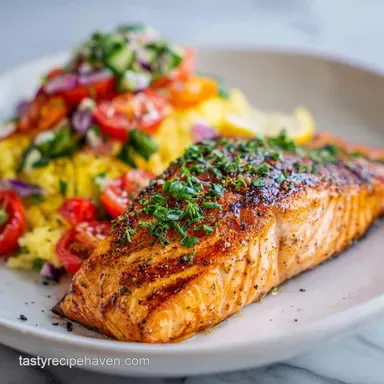
Roasted Salmon: a Mediterranean Diet Meal Plan Recipe
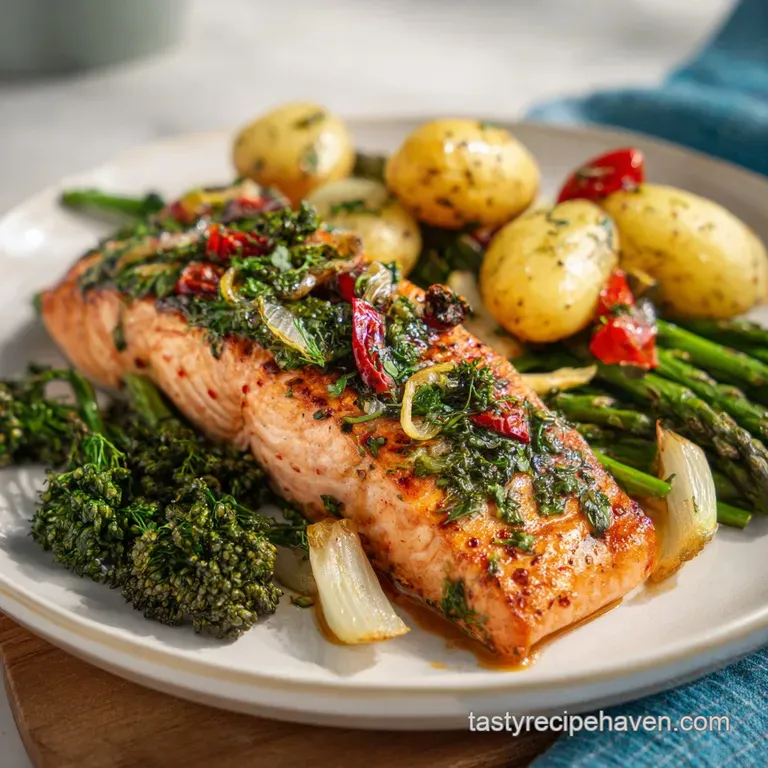
- Time: Active 10 minutes, Passive 15 minutes, Total 25 minutes
- Flavor/Texture Hook: Flaky, herb crusted salmon with blistered, tangy tomatoes
- Perfect for: Weeknight meal prep or a vibrant family gathering
- Mediterranean Diet Meal Plan Recipe with Roasted Salmon
- Essential Features of This Nutritious Dish
- Detailed Component Deep Dive
- The Elements Required for This Feast
- Necessary Kitchen Tools for Perfect Results
- Simple Steps to Roast Your Salmon
- Common Issues and Easy Fixes
- Simple Guidelines for Scaling Up
- Myths Regarding the Mediterranean Diet
- Storage Tips and Reducing Waste
- Best Ways to Present Your Meal
- Very High in Sodium
- Recipe FAQs
- 📝 Recipe Card
Mediterranean Diet Meal Plan Recipe with Roasted Salmon
I remember the first time I hosted a "healthy" dinner party on my balcony. The air was thick with the scent of jasmine, and the sun was just beginning to dip behind the neighbor's oak tree.
I wanted something that felt celebratory but didn't leave me stuck in the kitchen for hours while everyone else laughed and sipped wine. That was the night this sheet pan method was born, and the sizzle of the salmon hitting the hot pan has become a staple sound in my home ever since.
Discover a standout recipe for a delicious Mediterranean Diet Meal Plan featuring roasted salmon. It's the kind of meal that makes you feel like you've spent the day in a seaside kitchen in Santorini, even if you're just standing in your pajamas in a rainy suburb.
The aroma of the dried oregano mingling with the sharp scent of roasting garlic is enough to bring anyone to the table. We're talking about a dish that prioritizes flavor forward ingredients like briny Kalamata olives and salty feta to do all the heavy lifting for us.
We've all been there, trying to eat better and ending up with a sad, dry piece of fish and some limp broccoli. This is the antidote to that struggle. It's sustainable because it's simple enough to repeat every week without burnout, and it's nutrient dense enough to keep you genuinely full.
You'll love how the cherry tomatoes pop under the heat, releasing their sugars to balance out the acidity of the lemon and capers.
Essential Features of This Nutritious Dish
When we talk about why this works, it's all about how we manage the moisture and the fat. Salmon is naturally oily, which is exactly what we want for that silky mouthfeel. When we pair it with the acidic pop of tomatoes and the starch of chickpeas, we create a balanced environment where nothing dries out.
Fat Conductivity: Extra virgin olive oil acts as a heat conductor, ensuring the garlic and oregano flavors penetrate the salmon flesh.
Steam Protection: The bed of vegetables creates a small amount of steam that keeps the fish gentle and moist while the outside gets a light sear.
Maillard Reaction: At 200°C, the natural sugars in the red peppers and onions begin to caramelize, adding a deep sweetness that cuts through the fatty fish.
Acid Balance: Adding lemon juice and capers at the very end provides a sharp contrast that brightens the earthy, roasted notes of the oregano.
| Method | Time | Texture | Best For |
|---|---|---|---|
| Sheet Pan Roast | 15 minutes | Flaky salmon, soft veg | Hands off weeknight meals |
| Air Fryer | 10 minutes | Crispier skin, charred veg | Single servings/Quick lunch |
| Pan Sear | 8 minutes | Very crispy skin, raw veg | Gourmet presentation |
If you are interested in trying other cooking techniques to keep your meal prep exciting, you might want to look at my Air Fryer Teriyaki Salmon Bites for a faster alternative. Both methods ensure you get those essential omega-3s without spending your whole evening at the stove. It's about finding what fits your rhythm for the day while maintaining that flavor forward approach.
Detailed Component Deep Dive
The magic is in the quality of the components we choose. In a simple dish like this, there is nowhere for mediocre ingredients to hide. I always reach for a high-quality extra virgin olive oil because it provides the base for the entire flavor profile.
| Ingredient | Science Role | Pro Secret |
|---|---|---|
| Salmon Fillets | Primary protein/fat source | Leave the skin on to protect the delicate flesh from the direct heat of the pan. |
| Chickpeas | Provides starch and texture | Pat them bone dry before roasting so they get a nutty, crunchy exterior instead of steaming. |
| Kalamata Olives | Umami and salt provider | Use whole, pitted olives to prevent them from drying out too fast in the oven. |
| Dried Oregano | Aromatic backbone | Rub the herbs between your palms before adding to the oil to wake up the essential oils. |
Selecting the right fish is crucial for this Mediterranean Diet Meal Plan. If you can, go for wild caught salmon as it often has a more robust flavor, but a high-quality farmed fillet works beautifully too because of its consistent fat content. For those who want to explore other seafood options within the Mediterranean framework, you might enjoy my Pan Seared Cod recipe which offers a leaner, more delicate profile.
The Elements Required for This Feast
You don't need a massive grocery list for this, but you do need these specific items to get the balance right. Each piece plays a role in the final "shatter and silk" texture we're aiming for.
- 4 (170g) center cut salmon fillets: Why this? Center cuts are uniform in thickness, ensuring all four pieces cook at the same rate.
- 3 tbsp (45ml) extra virgin olive oil: Why this? It provides the healthy fats and carries the herb flavors.
- 2 cloves garlic, finely minced: Adds a savory punch that mellows as it roasts.
- 1 tsp (1g) dried oregano: The classic Mediterranean herb that provides that earthy, floral aroma.
- 1/2 tsp (3g) sea salt: Essential for drawing out the moisture from the vegetables.
- 1/2 tsp (1g) cracked black pepper: Provides a subtle heat that lingers.
- 1 pint (250g) cherry tomatoes: Why this? Their high water content creates a natural sauce as they burst.
- 1 large red bell pepper: Sliced into 1 inch strips for a sweet, charred crunch.
- 1/2 large red onion: Cut into wedges to provide a sharp, savory contrast.
- 1/2 cup (75g) Kalamata olives: Pitted and salty, these are the umami bombs of the dish.
- 1 cup (150g) canned chickpeas: Rinsed and dried for a plant based protein boost.
- 2 tbsp (30g) capers: Why this? These add a briny zing that cuts through the rich salmon fat.
- 1/4 cup (10g) fresh flat leaf parsley: Chopped for a fresh, green finish.
- 1 lemon: Half sliced into rounds and half juiced to brighten everything up.
- 2 oz (55g) Feta cheese: Why this? Crumbled on top for a creamy, salty finish.
| Original Ingredient | Substitute | Why It Works |
|---|---|---|
| Salmon Fillets | Steelhead Trout | Very similar fat content and texture, often more affordable. |
| Kalamata Olives | Green Castelvetrano | Less salty, more buttery. Note: Changes the color profile to be more vibrant green. |
| Feta Cheese | Goat Cheese | Similar tang but a much creamier, meltier texture when hitting the warm fish. |
Changing the cheese or the olives can totally shift the mood of the dish. If you find feta a bit too sharp, goat cheese is a wonderful way to keep it satisfying and sustainable without losing that characteristic Mediterranean tang. Just remember that goat cheese will melt faster, so add it right before serving.
Necessary Kitchen Tools for Perfect Results
One of the reasons I love this recipe is that it doesn't require a mountain of dishes. You want tools that help with heat distribution. A heavy duty rimmed sheet pan is your best friend here because it won't warp in the 200°C oven.
Essential Gear List
- Large Rimmed Sheet Pan: This provides enough surface area so the vegetables aren't crowded.
- Parchment Paper: Essential for preventing the salmon skin from sticking and making cleanup a breeze.
- Small Mixing Bowl: For whisking the herb infused oil.
- Silicone Basting Brush: To ensure the salmon is evenly coated with the marinade.
- Chef's Knife: A sharp blade is necessary for those clean red pepper strips and minced garlic.
Chef's Tip: If you don't have parchment paper, avoid using aluminum foil if you're using a lot of lemon, as the acid can sometimes react with the metal. A well greased pan is better than foil in a pinch.
Simple Steps to Roast Your Salmon
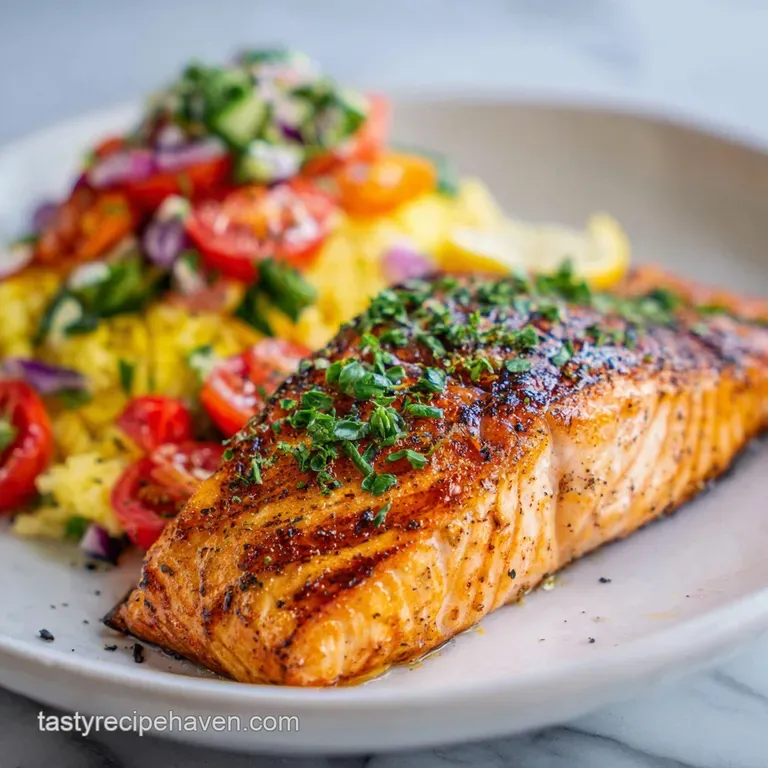
Let's get into the flow of the kitchen. Preheating is the most important part of this process. You want that oven screaming hot so that the vegetables start cooking the moment they hit the pan.
- Preheat the Oven. Set your rack to the center and heat to 200°C. Line your large rimmed sheet pan with parchment paper. Note: This ensures even air circulation around the salmon.
- Whisk the Marinade. In your small bowl, combine 2 tablespoons of olive oil with minced garlic, dried oregano, salt, and pepper. The aroma should be sharp and herbal.
- Prep the Salmon. Pat the fillets dry with a paper towel. Brush them generously with half of the oil mixture.
- Assemble the Veggies. Throw the tomatoes, bell peppers, red onion, chickpeas, and olives onto the sheet pan.
- Coat the Vegetables. Drizzle the remaining oil mixture over the veg and toss with your hands. You want every chickpea to glisten.
- Create Space. Move the vegetables to the edges, leaving four clear spots in the center for your salmon.
- Add the Fish. Place the salmon fillets and lemon rounds onto the pan.
- Roast to Perfection. Bake for 12-15 minutes. Listen for the sizzle of the tomato skins popping.
- Check for Doneness. The salmon should be opaque and flake easily when pressed with a fork.
- Final Flourish. Remove from the oven and immediately top with lemon juice, capers, parsley, and feta.
The scent of the roasting lemon slices is a specific precision checkpoint. When the house starts smelling like caramelized citrus and toasted garlic, you’ve got about 3 minutes left. Trust your nose more than the timer.
Common Issues and Easy Fixes
Cooking fish can be intimidating, but it's mostly about temperature control. If you see white stuff appearing on your salmon, don't panic. That’s just albumin, a protein that pushes out when the fish is cooked too fast or too long.
Solving the Soggy Vegetable Problem
If your vegetables are swimming in liquid rather than roasting, it's usually because the pan was too crowded. Vegetables release steam as they cook; if they are piled on top of each other, that steam gets trapped.
By spreading them to the edges and using a large pan, we allow that moisture to evaporate, leaving behind concentrated flavors and charred edges.
Dealing with Uneven Cooking
Sometimes your onions might still be crunchy while the salmon is done. This happens if the onion wedges are cut too thick. Try to keep the onion wedges about 1 inch wide. If you notice the vegetables are lagging behind, you can always toss them in the oven for 5 minutes before adding the fish to the pan.
| Problem | Root Cause | Solution |
|---|---|---|
| Salmon is dry | Overcooked beyond 15 mins | Remove fish earlier and let the vegetables finish if needed. |
| Chickpeas are mushy | Too much moisture on pan | Pat chickpeas dry with a towel before adding to the oil. |
| Garlic is burnt | Minced too small/exposed | Ensure garlic is mixed into the oil and tucked under vegetables. |
Common Mistakes Checklist
- ✓ Forgeting to preheat the oven (leads to gummy, steamed fish).
- ✓ Leaving the salmon skin side up (the skin protects the meat from drying out).
- ✓ Using "light" olive oil instead of extra virgin (misses out on the flavor).
- ✓ Crowding the pan so much that the tomatoes can't blister.
- ✓ Skipping the final squeeze of fresh lemon (the acidity is what makes it "pop").
Simple Guidelines for Scaling Up
Cooking for a crowd? You can easily double this recipe, but you must use two separate sheet pans. If you try to jam 8 fillets and double the vegetables onto one pan, you'll end up with a watery mess.
Adjusting for Larger Batches
When doubling, keep the spices at about 1.5x the original amount first, then taste. Sometimes a full 2x of salt and oregano can become overwhelming in a large batch. For the liquids, like the olive oil, you can stick to the 2x rule.
Rotate the pans halfway through the 15 minute cook time to ensure the one on the bottom rack gets the same heat as the top.
Making Smaller Portions
If you're cooking for one or two, don't just use half a pan. Use a smaller quarter sheet pan to keep the vegetables close together so they don't burn on the large, empty surface area. Reduce the roasting time by about 2 minutes, as smaller quantities tend to heat up faster.
Myths Regarding the Mediterranean Diet
There are a lot of misconceptions about how to eat this way. One common myth is that it has to be expensive. By using canned chickpeas and frozen salmon (if fresh is out of budget), you can keep this meal extremely affordable while maintaining the nutrient density.
Another myth is that you can't have fat. The Mediterranean diet is actually quite high in fat, but it's the right kind of fat monounsaturated fats from olive oil and omega-3s from the salmon. Don't be afraid to use the full 45ml of oil; it’s what makes the dish satisfying and sustainable.
Finally, people often think Mediterranean food is all about pasta. In reality, it's about the "tray bake" style roasting whole foods together to let their natural flavors shine. This salmon dish is the perfect example of how a meal plan can be low carb and still feel incredibly indulgent.
Storage Tips and Reducing Waste
This is a fantastic meal prep option because salmon actually stays quite moist when reheated correctly. The vegetables also hold their texture well, especially the peppers and olives.
- Fridge: Store in an airtight container for up to 3 days.
- Freezer: I don't recommend freezing the cooked vegetables as they get mushy, but you can freeze the cooked salmon for up to 2 months.
- Reheating: Avoid the microwave if possible. Reheat in a 150°C oven for 8 minutes to keep the skin from getting rubbery.
- Zero Waste Tip: Don't throw away the lemon ends or the parsley stems! Throw the lemon ends into your water bottle for a zingy drink, and save the parsley stems in a bag in the freezer for the next time you make a vegetable stock. Even the leftover oil on the sheet pan is gold drizzle it over some crusty bread the next day.
Best Ways to Present Your Meal
Presentation is part of the joy of eating. I love serving this straight from the sheet pan if it's a casual night with friends. The colors are so vibrant the deep red of the peppers, the purple of the onions, and the bright green of the parsley that it looks like a work of art on its own.
If you want to make it a fuller meal, serve it over a bed of fluffy quinoa or even some warm pita bread to soak up all those tomato juices. For a truly flavor forward experience, a side of Greek yogurt mixed with a little cucumber and dill (tzatziki style) provides a cool contrast to the warm, roasted salmon.
This Mediterranean Diet Meal Plan Recipe with Roasted Salmon is more than just a quick dinner; it’s a way to bring a little sunshine and health into your kitchen without the stress. It’s satisfying, sustainable, and, most importantly, it smells like a dream.
Now, let's get that oven preheated and start roasting!
Very High in Sodium
985 mg 985 mg (43% 43%)
The American Heart Association recommends limiting sodium intake to no more than 2,300mg per day, with an ideal limit of about 1,500mg for most adults.
Tips to Reduce Sodium
-
Choose Lower Sodium Feta-15%
Feta cheese is a significant source of sodium. Opt for a reduced sodium feta cheese, or use half the amount and still get a good salty flavor.
-
Embrace Fresh Herbs and Spices
Boost flavor without salt by generously using fresh parsley and lemon juice. Consider adding other aromatics like garlic and herbs like dill or thyme.
-
Rinse Olives and Capers-10%
Kalamata olives and capers are brine cured and very high in sodium. Rinsing them thoroughly under cold water can remove a significant portion of the excess salt.
-
Select 'No Salt Added' Chickpeas-5%
Canned chickpeas are often packed in salty water. Look for varieties labeled 'no salt added' or 'low sodium' to significantly cut down on sodium content.
-
Reduce Added Sea Salt-12%
The recipe calls for 1/2 tsp of sea salt. Try reducing this by half initially, and taste the dish before adding any additional salt. You might find it flavorful enough without it.
Recipe FAQs
How to avoid gummy or steamed salmon?
Preheat your oven to 400°F (200°C) before placing the tray inside. Ensuring the oven reaches the target temperature creates the necessary heat for proper roasting rather than steaming the fish in a cool environment.
Is it true I should remove the salmon skin before roasting?
No, this is a common misconception. You should always leave the skin on and place it skin side down; this layer protects the delicate meat from direct heat, keeping the fillet moist throughout the 12-15 minute cook time.
How to ensure the vegetables reach a perfect blistered texture?
Spread the tomatoes, peppers, and onions in a single layer to avoid crowding the pan. If you enjoyed mastering this high heat roasting technique, you can apply the same principle to our crispy baked side dish for consistent results.
Can I use light olive oil for this recipe?
No, stick with extra virgin olive oil. The robust flavor profile of extra virgin oil is essential for the Mediterranean seasoning profile of the salmon and vegetables.
How to reheat leftovers without making the fish rubbery?
Reheat in a 150°C oven for 8 minutes. Avoid the microwave, as it tends to overcook the proteins and ruin the texture of the salmon.
Is it necessary to use fresh lemon juice at the end?
Yes, the final squeeze is critical. The acidity from the fresh lemon juice cuts through the richness of the salmon and feta, providing the essential "pop" that balances the entire dish.
How to store leftovers properly?
Keep the salmon and vegetables in an airtight container in the refrigerator for up to 3 days. While the salmon can be frozen for up to 2 months, avoid freezing the cooked vegetables as they will lose their structural integrity.
Roasted Salmon Mediterranean Meal