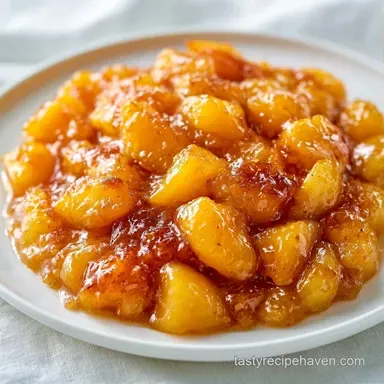
Simple Brown Sugar Peach Glaze in 15 Minutes
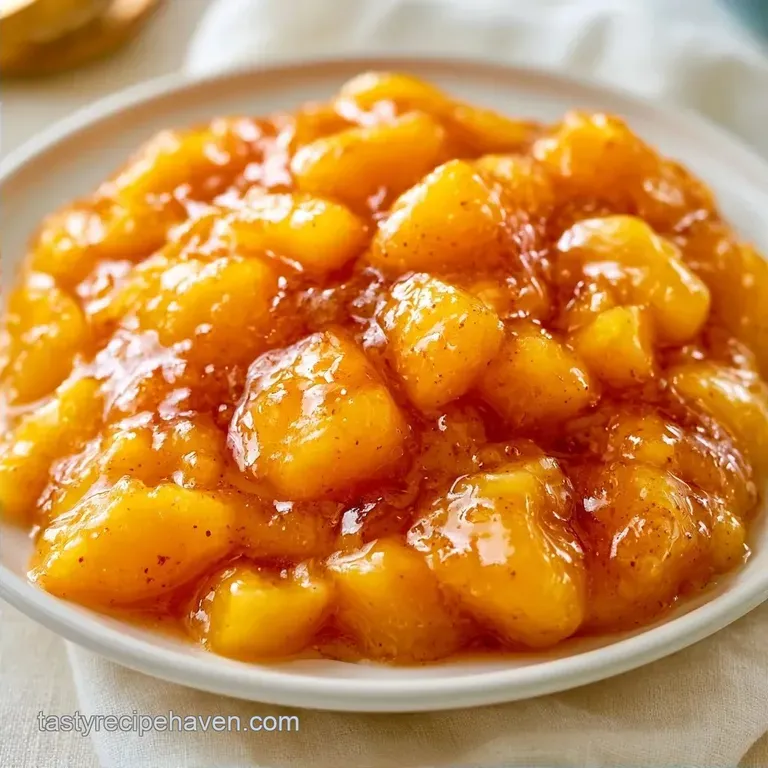
- Time: 5 min active + 10 min cooking
- Flavor/Texture Hook: Syrupy and glossy with soft fruit chunks
- Perfect for: Quick dessert toppings or glazing meats
That sound of butter bubbling with brown sugar in a heavy pan is just the best. I remember the first time I tried to make a fruit glaze and it turned into a watery mess that just slid off the plate. I spent way too long trying to fix it by adding cornstarch, which just made it taste like glue.
The trick is actually just patience and a heavy bottomed pan. Once you see those little bubbles starting to foam up, you know you're on the right track. This Simple Brown Sugar Peach Glaze is all about that reduction time to get the thickness just right.
You can expect a rich, syrupy finish that clings to whatever you pour it over. It takes about 15 minutes total, and since we're using simple pantry staples, you don't need to run to the store.
Simple Brown Sugar Peach Glaze
Brown Sugar: The molasses content helps the sauce thicken and adds a deep, toasted flavor. Lemon Juice: This provides the necessary acid to cut through the sugar and brighten the fruit.
| Method | Time | Texture | Best For |
|---|---|---|---|
| Stovetop | 15 mins | Syrupy and glossy | Quick toppings, meats |
| Oven | 45 mins | Jammy and thick | Slow roasted fruits |
Right then, let's look at what these ingredients actually do for the final result.
| Ingredient | What It Does | Best Swap |
|---|---|---|
| Butter | Adds richness and shine | Coconut oil (adds coconut notes) |
| Brown Sugar | Provides sweetness and body | Maple syrup (thinner result) |
| Fresh Peaches | Gives bulk and tartness | Canned peaches (drain well) |
| Lemon Juice | Balances the sugar | Apple cider vinegar |
Quick Recipe Specifications
To get this right, you have to stick to a few numeric checkpoints. First, ensure your sugar to butter ratio stays at 150g to 115g for the right viscosity. Second, keep your simmer time to exactly 10 minutes of active heat to avoid burning the sugar.
Third, use exactly 15ml of lemon juice to keep the flavor balanced.
Honestly, don't bother with low-fat butter here. You need the fat to emulsify with the sugar for that glossy look. If you're using a pan that's too thin, the sugar might hot spot and burn, so stick to a heavy saucepan.
Essential Pantry Items
For the base, you'll need 115g of unsalted butter. Why this? It lets you control the salt level perfectly. Combine this with 150g of packed light brown sugar. Why this? The molasses makes it thicker than white sugar.
You'll also need 240g of finely diced fresh peaches. Why this? Small cubes break down faster and release juice. Grab 15ml of fresh lemon juice Why this? It prevents the glaze from tasting one dimensional. and 1.5g of fine sea salt to make the fruit pop.
| Original Ingredient | Substitute | Why It Works |
|---|---|---|
| Fresh Peaches | Canned Peaches | Similar flavor. Note: Drain syrup first or it becomes too runny |
| Unsalted Butter | Salted Butter | Works fine. Note: Omit the extra sea salt from the recipe |
| Brown Sugar | Coconut Sugar | Similar color. Note: Less molasses, so it may be slightly thinner |
Necessary Kitchen Tools
You don't need anything fancy for this. A small, heavy bottomed saucepan is your best friend here because it distributes heat evenly. A whisk is great for the initial melt, but a silicone spatula is better for folding in the peaches without smashing them.
If you have a digital scale, use it. Measuring 150g of sugar is way more accurate than guessing with a cup, especially since "packed" sugar varies so much. A small bowl for dicing your peaches beforehand also keeps the process moving quickly.
Easy Cooking Process
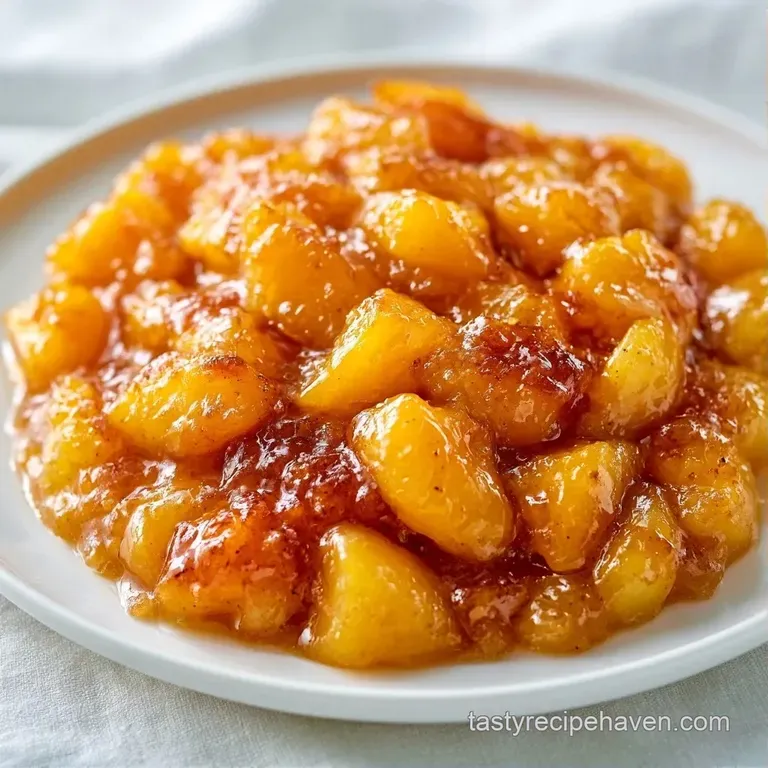
- Place a small heavy bottomed saucepan over medium heat.
- Add the butter and brown sugar, whisking constantly until the butter is fully melted and the sugar begins to bubble and foam. Note: This creates the base syrup.
- Fold in the diced peaches and salt.
- Reduce heat to medium low and simmer gently for 5–7 minutes.
- Lightly mash some peach chunks against the side of the pan until they release their juices. Note: This naturally thickens the sauce.
- Stir in the lemon juice.
- Continue to simmer for another 2–3 minutes until the glaze is glossy and coats the back of a spoon.
- Remove from heat immediately to stop the cooking process.
Chef's Tip: To get an even deeper color, let the butter and sugar foam for an extra 30 seconds before adding the fruit. Just don't walk away, or it'll burn in a heartbeat.
Solving Glaze Issues
If your sauce isn't thickening, you probably didn't simmer it long enough. The peaches need time to break down and the water to evaporate. Give it another 3 minutes on medium low.
Troubleshooting Common Issues
| Issue | Solution |
|---|---|
| Why Your Glaze Stays Watery | This usually happens if the peaches were too juicy or the heat was too low. The sugars need to reach a certain temperature to bind. |
| Why Your Glaze Tastes Burnt | High heat is the enemy of brown sugar. If you see the bubbles turning dark brown instead of golden, your pan is too hot. |
| Why Your Glaze Feels Gritty | This means the sugar didn't fully dissolve into the butter. Whisk more vigorously during the first step. |
Flavor Swaps and Changes
If you want a different vibe, try adding a pinch of cinnamon or a drop of vanilla extract at the very end. For those who like a bit of a kick, a tiny pinch of cayenne pepper makes this a great peach sauce for meat.
If you're baking, this topping works well on Homemade Peach Bread if you want something cakey. You can also add a splash of bourbon after removing the pan from the heat for a more adult flavor.
Quick Decision Guide:
- If you want it thicker, simmer 2 more minutes.
- If you want it chunkier, mash fewer peaches.
- If you want it tangier, add 5ml more lemon juice.
Saving and Storing Glaze
Store any leftovers in a glass jar in the fridge for up to 7 days. The glaze will thicken significantly as it cools, so don't panic if it looks like jam the next morning.
To reheat, put it in a small pot over low heat with a teaspoon of water. Stir constantly until it loosens up. You can freeze this for up to 2 months, but the fresh peach texture might change slightly.
For zero waste, if you have leftover peach skins, toss them into a compost bin. If you have a bit of the glaze left in the pan, splash some hot water in, swirl it around, and use that "pan sauce" over some vanilla ice cream.
Great Serving Suggestions
This is a versatile sauce. Drizzle some over a slice of Homemade Peach Sponge Cake for a little extra richness. It also works as a simple peach sauce for ham if you're doing a holiday roast.
For a simple dessert, pour the warm glaze over a scoop of vanilla bean ice cream. The contrast between the hot, syrupy peaches and the cold cream is brilliant. Trust me on this, it's the easiest way to make a basic dessert feel like something special.
A few myths to clear up: - You don't need a cornstarch slurry to thicken this. The natural pectin in peaches and the reduction of sugar do the work. - Fresh peaches aren't strictly required. Canned peaches work, provided you drain them well so the extra syrup doesn't ruin your ratios.
Recipe FAQs
How to make a glaze using brown sugar?
Combine butter and brown sugar in a saucepan over medium heat. Whisk until the butter melts and the sugar bubbles, then simmer with your chosen fruit and a touch of acid to achieve a thick consistency.
How do I make a peach glaze?
Simmer diced peaches in a butter and brown sugar mixture. Cook for 5 7 minutes, stir in lemon juice, and reduce for another 2 3 minutes until the sauce is glossy and syrupy.
How to melt brown sugar for a glaze?
Heat butter and brown sugar in a heavy bottomed pan over medium heat. Whisk constantly to ensure the sugar dissolves and foams without scorching.
Do peach and brown sugar go together?
Yes, they are a classic combination. The rich, caramel like flavor of the brown sugar enhances the natural sweetness and acidity of the peaches.
Which peaches are best for this recipe?
Stick with fresh, firm ripe peaches. They maintain their structure during the 5 7 minute simmer, preventing the glaze from becoming too chunky or thin.
Is it true that overripe peaches bake better?
No, this is a common misconception. Overripe peaches release too much moisture, which often prevents the glaze from reaching the necessary syrupy consistency.
How to fix a glaze that stays watery?
Simmer the mixture longer over medium low heat. This allows the sugars to bind and thicken; if you enjoyed mastering the syrupy reduction here, the same thickening principle is used in our orange sauce.
Simple Brown Sugar Peach Glaze