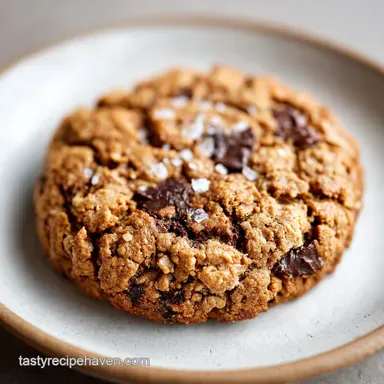
Flourless Peanut Butter Oatmeal Chocolate Chip Cookies
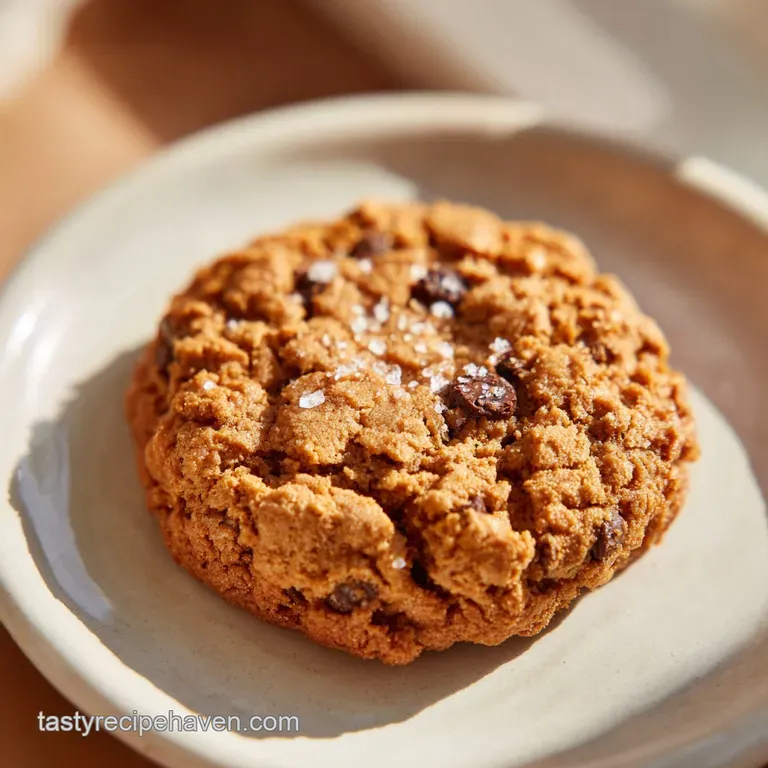
- Time: Active 10 minutes, Passive 10 minutes, Total 20 minutes
- Flavor/Texture Hook: Nutty, chewy, and intensely chocolatey
- Perfect for: Afternoon snacks, gluten-free diets, and quick dessert fixes
The kitchen was quiet except for the low hum of the oven preheating, and that familiar, roasty scent of peanut butter began to drift through the air. I remember the first time I tried making these; it was a rainy Tuesday, and I was desperate for something sweet but realized my flour canister was bone dry.
I stared at a half empty jar of creamy peanut butter and wondered if it could actually hold a cookie together on its own. It felt like a kitchen experiment that should have ended in a puddle of oil, but instead, I pulled out the most tender, chewy rounds I'd ever tasted.
This article delivers the ultimate Flourless Peanut Butter Oatmeal Chocolate Chip Cookie with Sea Salt recipe. We are talking about a cookie that doesn't just "work" for being flour free, but one that actually beats out traditional recipes because the flavor is so concentrated.
There is no flour to mask the nuttiness, just pure, unadulterated peanut bliss balanced by those dark, melty pools of chocolate.
You don't need a stand mixer or any fancy gadgets for this one. I usually just grab a sturdy wooden spoon and a single mixing bowl. It is the kind of recipe you can memorize and whip up while the coffee is brewing.
Since that first rainy Tuesday, I've made these dozens of times, adjusting the sugar and the chill time until they reached what I consider a flawless state.
The Science of Cookie Texture
- Protein Binding: Without gluten from flour, the protein in the egg and the peanut butter works as the primary structural scaffold.
- Oat Hydration: Rolled oats act like tiny sponges, soaking up moisture from the egg and fats to prevent the cookie from feeling greasy.
- Fat Sugar Emulsion: Creaming the peanut butter with brown sugar creates a stable base that holds the chocolate chips in suspension during the bake.
- Thermal Set: The baking soda reacts with the acidic components of the brown sugar, providing just enough lift to keep the center fudgy rather than rock hard.
| Method | Time | Texture | Best For |
|---|---|---|---|
| Standard Oven | 10 minutes | Crisp edges, chewy center | Traditional cookie lovers |
| Air Fryer | 7 minutes | Extra crispy exterior | Small batches (2-3 cookies) |
| Chilled Dough | 12 minutes | Thicker, fluffier bite | Those who like a soft bake |
When we talk about the chemistry of these treats, it's all about managing the oil. Since peanut butter is roughly 50% fat, we need the oats to provide enough surface area to grab onto that oil so it doesn't leak out onto your baking sheet. This ensures every bite stays moist without leaving a film on your palate.
Baking Times and Yield
| Component | Science Role | Pro Secret |
|---|---|---|
| Peanut Butter | Fat & Protein Base | Use "no stir" brands for the most consistent, velvety spread |
| Rolled Oats | Structural Bulk | Pulse half the oats in a blender for a more refined, cake like crumb |
| Brown Sugar | Moisture & Color | Pack it tight to ensure the molasses notes deep fry the oat edges |
| Baking Soda | Leavening Agent | Ensure it's fresh to prevent the cookies from staying as flat as pancakes |
Understanding how these parts move together helps when you need to swap things around. For example, the brown sugar is non negotiable for that chewy texture. If you used white sugar, you'd end up with a much crispier, almost brittle Chip Cookie with Sea Salt.
The molasses in the light brown sugar keeps things bendy and soft.
The Pantry Staples You Need
For this Butter Oatmeal Chocolate Chip Cookie with Sea Salt, we are using simple, high-quality ingredients that you likely already have in the cupboard.
- Creamy Peanut Butter (1 cup / 250g): I recommend a standard commercial brand like Jif or Skippy for this specific recipe. Natural oils can sometimes separate too quickly in the oven.
- Light Brown Sugar (0.75 cup / 150g): This provides the moisture.
- Large Egg (1, room temperature): The glue of the whole operation.
- Vanilla Extract (1 tsp): Essential for rounding out the nuttiness.
- Rolled Oats (1 cup / 90g): Also known as old-fashioned oats. Avoid steel cut here unless you want a tooth shattering crunch.
- Baking Soda (0.5 tsp): For a little puff.
- Semi sweet Chocolate Chips (0.5 cup / 90g): Use high-quality chips that can withstand the heat.
- Flaky Sea Salt (0.5 tsp): To finish. This is what makes the flavors pop.
| Original Ingredient | Substitute | Why It Works |
|---|---|---|
| Creamy Peanut Butter | Almond Butter | Similar fat profile, but slightly grittier texture. |
| Light Brown Sugar | Coconut Sugar | Earthy sweetness. Note: Results in a drier, more crumbly cookie. |
| Rolled Oats | Quick Oats | Faster hydration. Cookies will be softer and less "toasty." |
| Semi sweet Chips | Dark Chocolate Chunks | Higher cocoa content cuts through the saltiness. |
Chef's Tip: If you only have "natural" peanut butter (the kind you have to stir), add an extra tablespoon of oats to help soak up the excess oil that usually separates during baking.
If you are looking for other ways to use up that jar of nut butter, you might enjoy my Peanut Butter Protein recipe which is great for meal prepping.
Simple Tools for Success
You don't need a kitchen full of gadgets for this Flourless Peanut Butter Oatmeal Chocolate Chip. In fact, keeping it simple often leads to better results because you aren't overworking the dough.
I use a large glass mixing bowl and a stiff spatula. A cookie scoop (about 2 tablespoons in size) is my only real "secret weapon" because it ensures every Peanut Butter Oatmeal Chocolate Chip Cookie with Sea Salt is exactly the same size.
This means they all finish baking at the exact same second, preventing any burnt edges while the middle is still raw.
You will also need a standard baking sheet and parchment paper. Never grease the pan directly for these; the high oil content in the peanut butter combined with cooking spray will cause the cookies to slide and spread into one giant "mega cookie."
Steps for Baking Success
- Preheat the oven to 180°C (350°F) and line your tray with parchment. Note: A hot oven is vital for setting the edges immediately.
- Whisk the egg and vanilla together in your bowl until the yolk is fully broken and slightly frothy.
- Add the peanut butter and brown sugar. Stir vigorously until the mixture looks like smooth, velvety caramel.
- Fold in the oats and baking soda. Use a folding motion to ensure the baking soda is distributed evenly without over mixing.
- Toss in the chocolate chips. Keep a few aside to press into the tops later for that "bakery look."
- Scoop the dough into 18 rounded mounds. Place them 2 inches apart on the prepared sheet.
- Slightly flatten each ball with the back of a spoon. Note: These don't spread as much as flour cookies, so they need a little nudge.
- Bake for 10 minutes until the edges are golden and the tops look dry. They will still feel very soft to the touch!
- Sprinkle sea salt over the hot cookies the second they come out of the oven.
- Cool for 10 minutes on the pan. They need this time to "set" their internal structure.
| Feature | Fresh PB | "Shortcut" Natural PB |
|---|---|---|
| Texture | Smooth, cohesive | Grainy, more rustic |
| Spread | Controlled | High (needs more oats) |
| Sweetness | Balanced | Lower (may need more sugar) |
These cookies are quite delicate when they first exit the oven. If you try to move them immediately, they will simply crumble. Let the residual heat from the pan finish the "carryover cooking" process. This is the secret to getting that perfect, fudgy center.
Fixing Your Cookie Problems
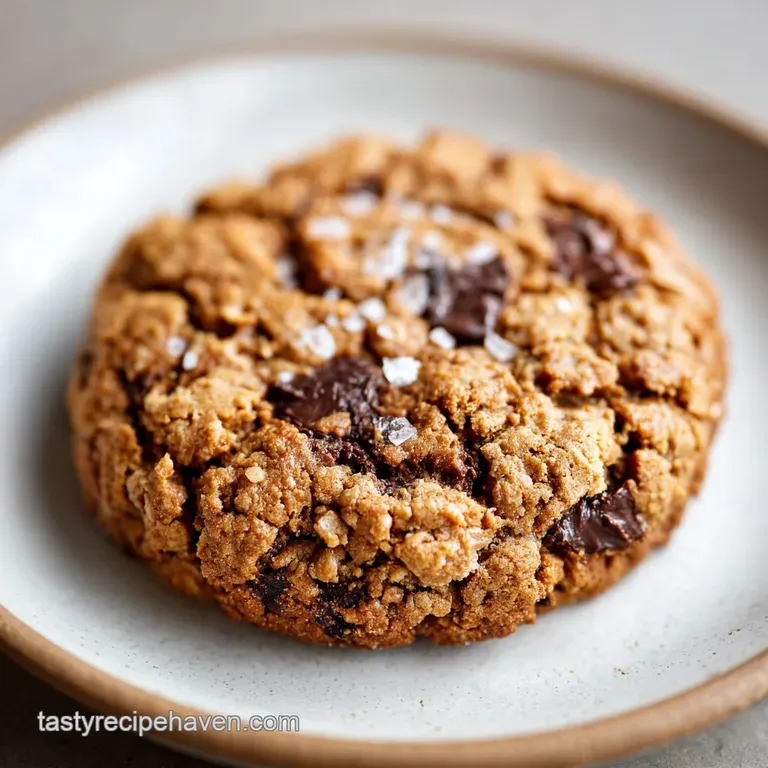
Fixing Cookie Spreading Issues
If your cookies look like flat pancakes, the most likely culprit is the temperature of your ingredients. If the peanut butter was too warm or the egg was cold, the emulsion might break. Another reason is using a brand of peanut butter that is too oily.
If this happens, try chilling the dough for 20 minutes before baking the next batch.
Avoiding a Dry Crumbly Texture
When the cookies fall apart like sand, they are likely overbaked. Remember, they should look slightly "underdone" when you pull them out. The oats will continue to absorb moisture as they cool. If you used extra large oats or steel cut by mistake, the dough won't have enough liquid to bind properly.
| Problem | Root Cause | Solution |
|---|---|---|
| Greasy bottoms | Natural PB separation | Add 1 tbsp extra oats to the dough. |
| Hard cookies | Overbaked | Reduce bake time by 2 minutes next time. |
| No rise | Old baking soda | Check expiration; replace soda every 6 months. |
Common Mistakes Checklist
- ✓ Always use room temperature eggs to ensure they emulsify with the peanut butter fats.
- ✓ Don't skip the parchment paper; these are high fat cookies and will stick to a bare pan.
- ✓ Measure your oats by weight if possible (90g) to avoid a dry dough.
- ✓ Let the cookies rest on the hot tray for at least 10 minutes before moving them.
- ✓ Avoid using "low-fat" peanut butter; the fillers will ruin the texture.
Customizing the Flavor
Once you've mastered the base Flourless Peanut Butter Oatmeal Chocolate Chip, you can start playing with the mix ins. I sometimes add a teaspoon of espresso powder to the dough to make the chocolate flavor feel deeper and more intense.
If you want a different protein packed snack, you can also look into making a Protein Bars Recipe which uses similar pantry staples.
- If you want a crunchier bite, swap half the chocolate chips for chopped roasted peanuts.
- If you want a "monster cookie" vibe, add 1/4 cup of M&Ms and a tablespoon of raisins.
- If you want a festive twist, add 1/2 teaspoon of cinnamon and a pinch of nutmeg to the dough.
Scaling the Batch Size
Scaling Down (Makes 9 cookies): Use half an egg (whisk it in a cup first, then measure out 1.5 tablespoons). Halve all other ingredients. Use a smaller toaster oven tray if you have one, but keep the temperature at 180°C (350°F).
Scaling Up (Makes 36 cookies): Double everything exactly. I recommend baking in two separate batches rather than crowding one tray. If you have a convection oven, you can do both trays at once, but rotate them halfway through the 10 minute timer to ensure even browning.
Baking Myths Debunked
One common misconception is that you need flour to create a "chewy" cookie. In reality, chewiness comes from sugar and fat interaction, not just gluten. Another myth is that you can't use natural peanut butter.
You absolutely can, but you must stir it exceptionally well and perhaps add a tiny bit more structure via oats. Finally, people think flourless means "healthy" or "low calorie." While these are gluten-free, they are still a rich, indulgent treat!
Storage and Leftovers
Storage: These keep beautifully in an airtight container at room temperature for up to 5 days. In fact, I think they taste even better on day two once the oats have fully softened into the peanut butter.
Freezing: You can freeze the baked cookies for up to 3 months. I recommend freezing the dough balls on a tray, then transferring them to a bag. You can bake them straight from frozen; just add 2 minutes to the total bake time.
Zero Waste Tip: If you have the very bottom of a peanut butter jar left, don't throw it out! Mix your egg and sugar directly in the jar to get every last bit of peanut goodness before adding the oats.
Serving with Style
When serving these to guests, I love to pile them high on a wooden board. The contrast of the dark chocolate against the golden oats looks very rustic and inviting. Since they are quite rich, a cold glass of milk or a sharp, bitter espresso is the perfect pairing.
If you really want to go all out, serve them warm with a scoop of vanilla bean ice cream on top. The way the semi sweet chocolate chips melt into the cold cream is something you won't forget.
Just make sure to add that final sprinkle of flaky sea salt it’s the bridge that connects the sweet sugar to the savory nut butter. Enjoy your baking!
Recipe FAQs
Can I substitute the rolled oats with more peanut butter?
No, this will result in an oily puddle. Rolled oats are crucial as they absorb the high fat content from the peanut butter, providing necessary structure to hold the cookie shape during baking.
How to prevent the cookies from spreading too thinly during baking?
Chill the dough for at least 20 minutes before baking. The lower temperature solidifies the fats in the peanut butter, preventing rapid melting when the dough hits the hot oven.
Is it necessary to use brown sugar instead of granulated white sugar?
Yes, brown sugar is essential for the chewy texture. The molasses in brown sugar retains moisture much better than white sugar, which keeps the cookie soft and prevents it from becoming too brittle.
How can I make these cookies taste nuttier, similar to a 'monster cookie' flavor?
Pulse half the oats in a food processor until coarsely ground. This technique increases the surface area for flavor absorption, similar to how we adjust hydration levels in the Healthy Monster Cookie recipe.
What is the purpose of adding flaky sea salt on top immediately after baking?
The salt balances the intense sweetness and enhances the peanut flavor. Applying it while the cookie is hot ensures the flakes adhere properly and provides a crucial flavor pop against the melted chocolate.
Can I use natural peanut butter that separates easily?
Yes, but you must stir it extremely well before incorporating it. Ensure the oil is fully re-emulsified, and consider adding an extra tablespoon of oats to compensate for the higher liquid oil content to prevent greasiness.
How long can I safely store the baked cookies at room temperature?
Store them in an airtight container at room temperature for up to five days. They actually improve after the first day as the oats fully hydrate and soften the overall texture.
Flourless Pb Oatmeal Cookies